#News & Events ·2026-03-30


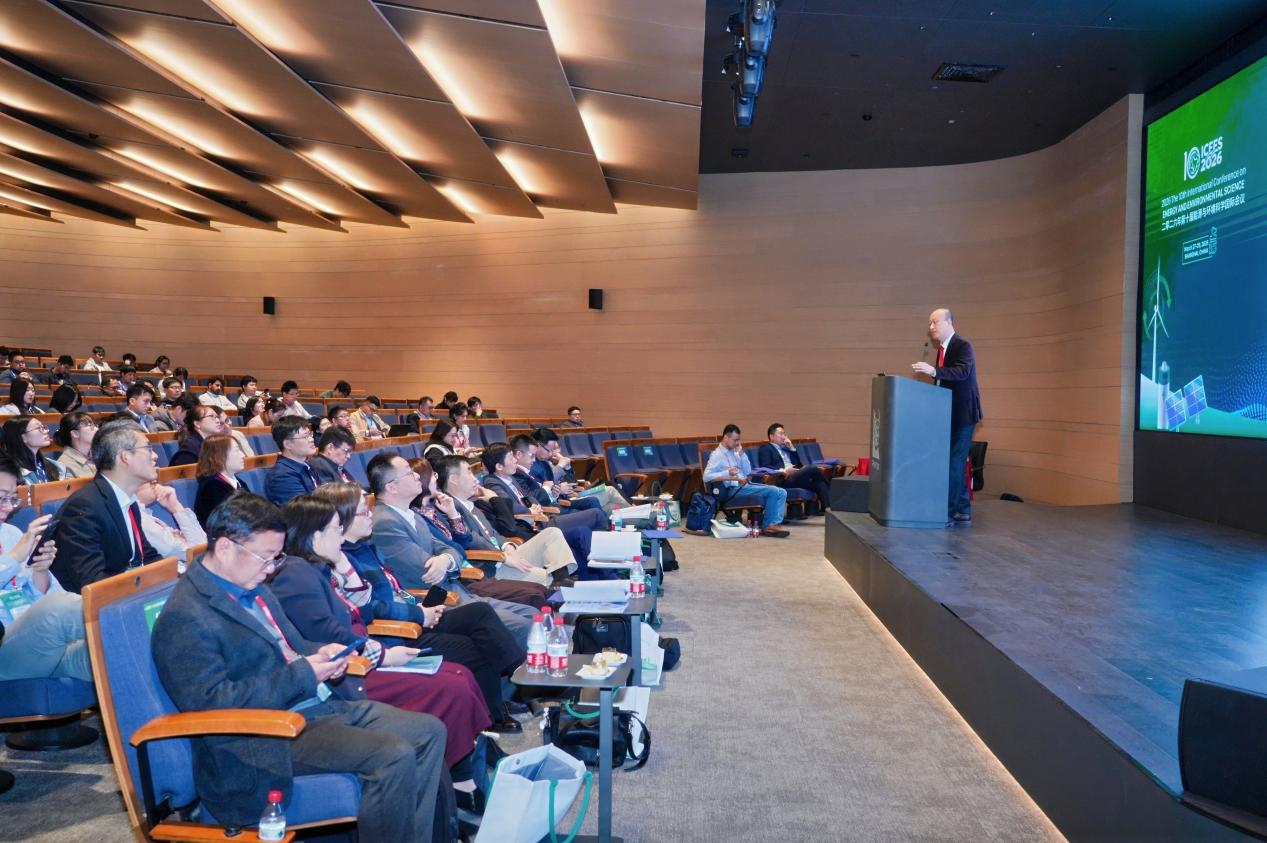
From March 27 to 29,
2026, the 10th International Conference on Energy and Environmental
Science (ICEES 2026) was held in Shanghai. Co-hosted by Tongji
University, Chongqing Jiaotong University, and Chongqing University, the
conference brought together over 500 experts, scholars, policy
researchers, and industry representatives from more than 30 countries
and regions to engage in in-depth discussions on the frontier theme of
"Energy Transition and Environmental Governance."
As
a key international academic platform focused on sustainable
development and the green environmental economy, the conference
emphasized interdisciplinary research approaches, encouraging systematic
analysis of sustainable development pathways and their practical
feasibility from multiple dimensions including economics, management,
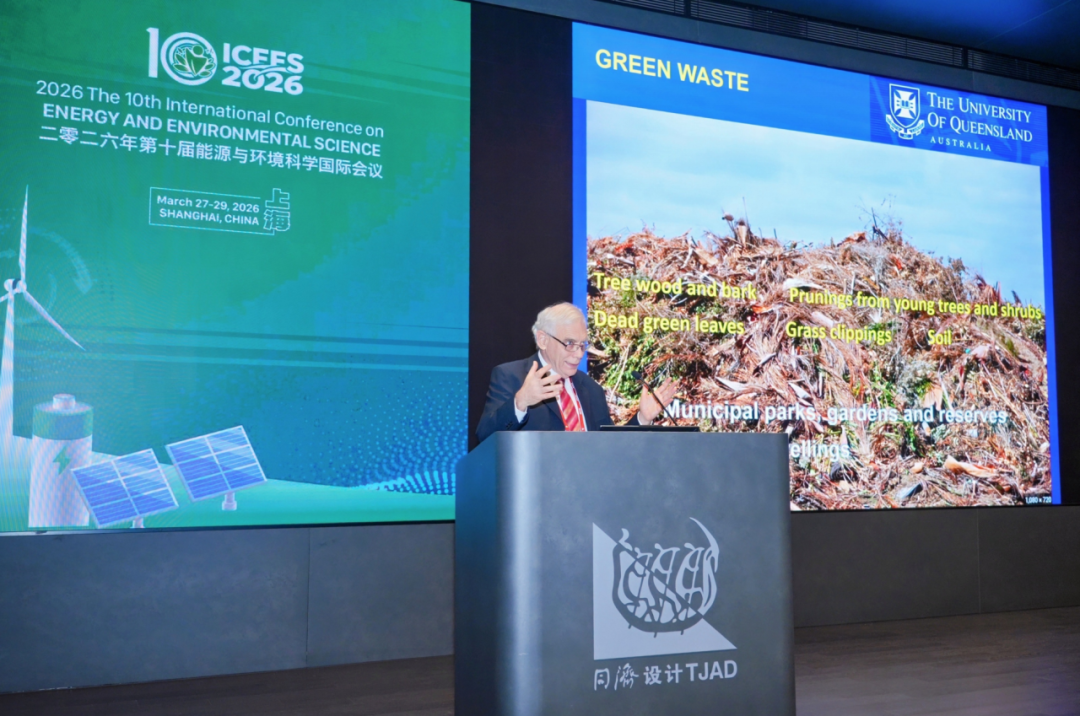
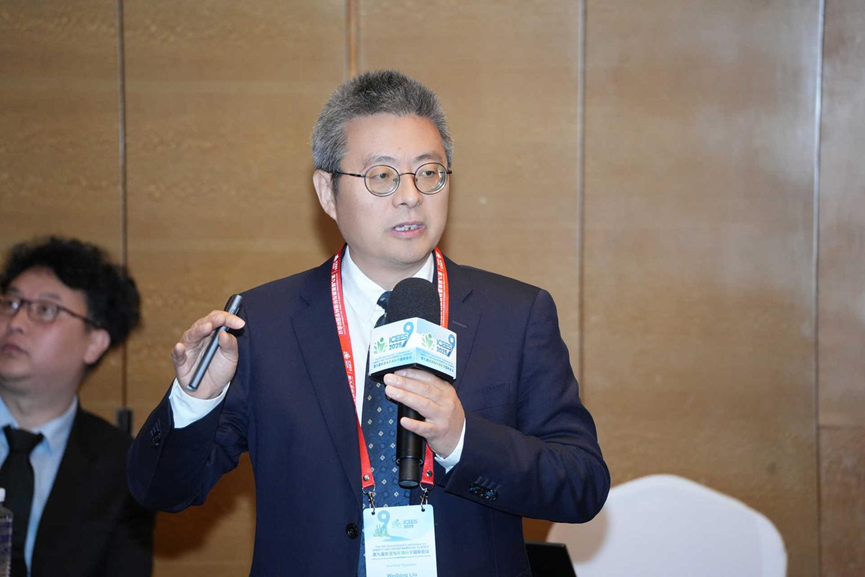
engineering technology, and policy studies. Liu Weibing, representing
the Bartlett School of Architecture at University College London (UCL),
delivered a keynote report titled "A Comparative Study of Low-Carbon Building Technologies in China and the UK." Rigorous in its literature review and closely aligned with the
conference theme, his presentation stood out among numerous high-level
submissions for its fluent and confident delivery, earning him the ICEES
2026 Best Presentation Award.
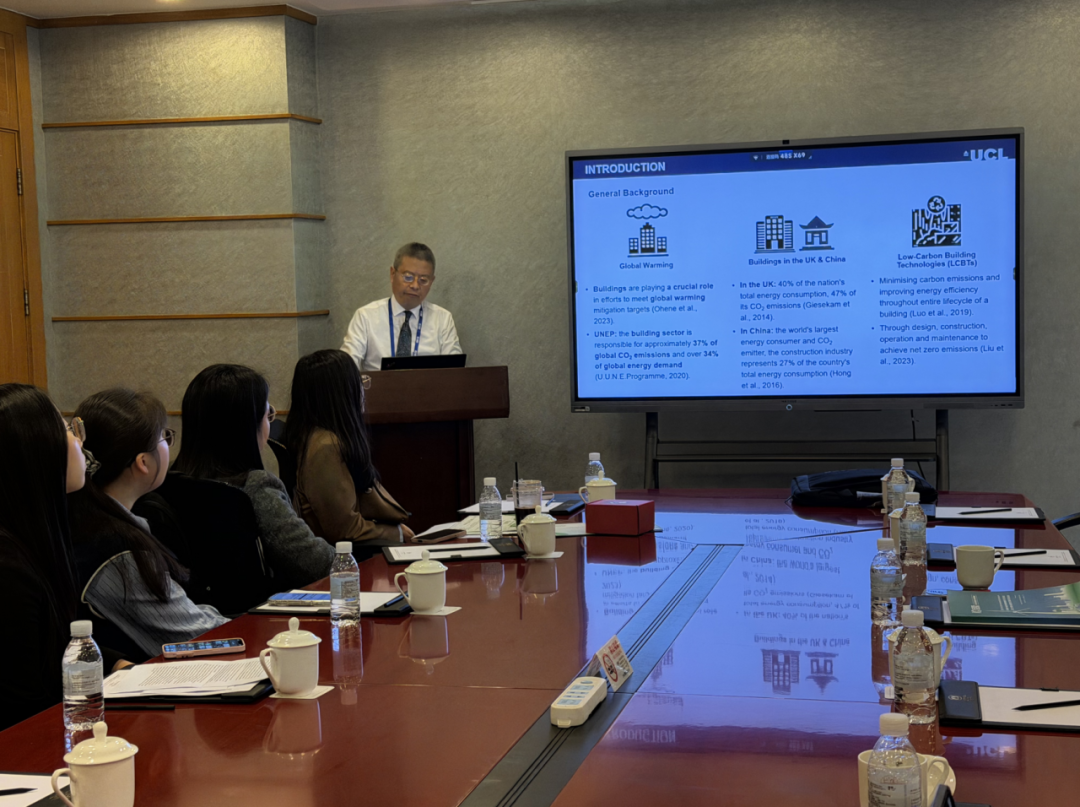
In
his report, Liu Weibing systematically reviewed and compared the
development status, technical standards, and practical challenges of
low-carbon building technologies in both China and the UK. Drawing on
his academic experience at UCL's Bartlett School of Architecture and his
years of research and practice in architectural design and sustainable
urban-rural planning, he revealed, from a Science and Technology Studies
(STS) perspective, the critical role of innovation mechanisms and
governance models in the low-carbon transition, establishing a
cross-national, cross-system comparative analytical framework for
low-carbon technology adoption.
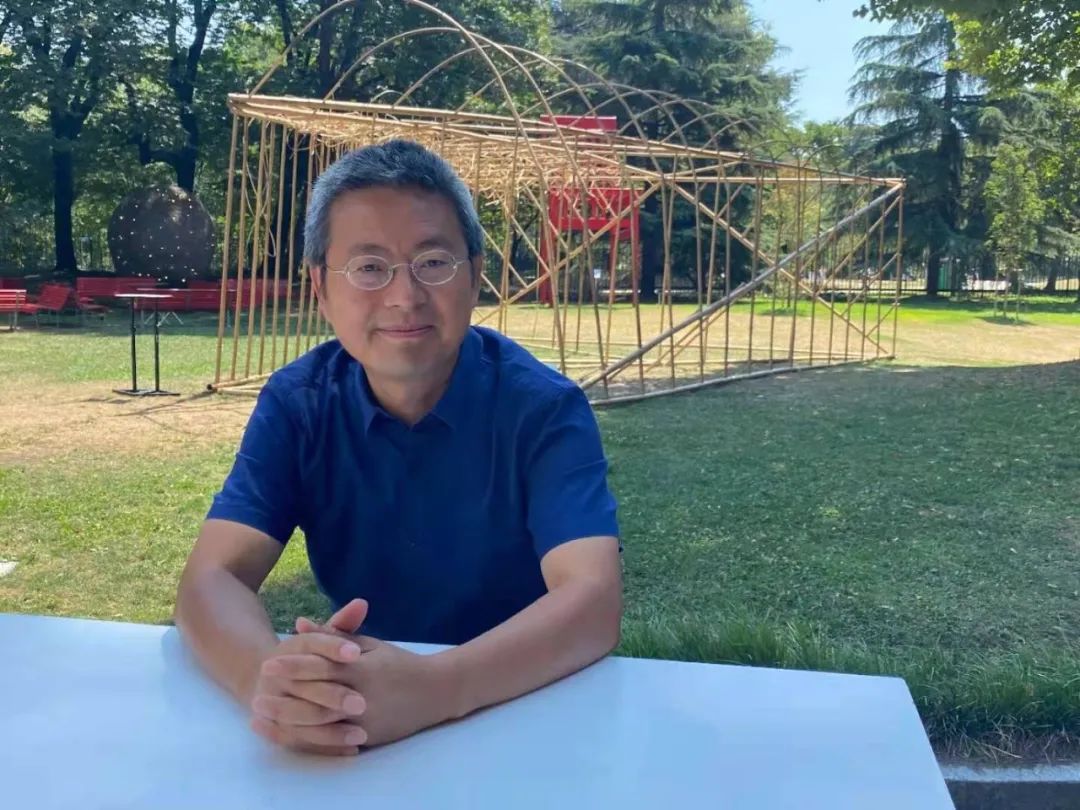
"Low-carbon
architecture should not be a mere assemblage of technologies, but
rather a co-evolution of institutions, culture, and technology," Liu
emphasized in his report. As a scholar with a profound international
academic background and extensive hands-on engineering experience, he
has consistently advanced sustainable design research through systemic
thinking. From proposing the TISE systemic methodology at ICEES 2025 to
focusing on the comparative study of Sino-British low-carbon building
technologies in 2026, Liu Weibing has, for two consecutive years,
brought the professional vision and academic voice of Chinese
architectural scholars to the international stage.
2025-05-19
2025-06-09
2022-10-13


抖音二维码


微信公众号

QQ群:

小红书二维码
(028)65292560
Floor 6, Building 3, ShuDu Center, No. 138, Tianfu 2nd Street, High-tech Zone, Chengdu City, Sichuan Province
Links