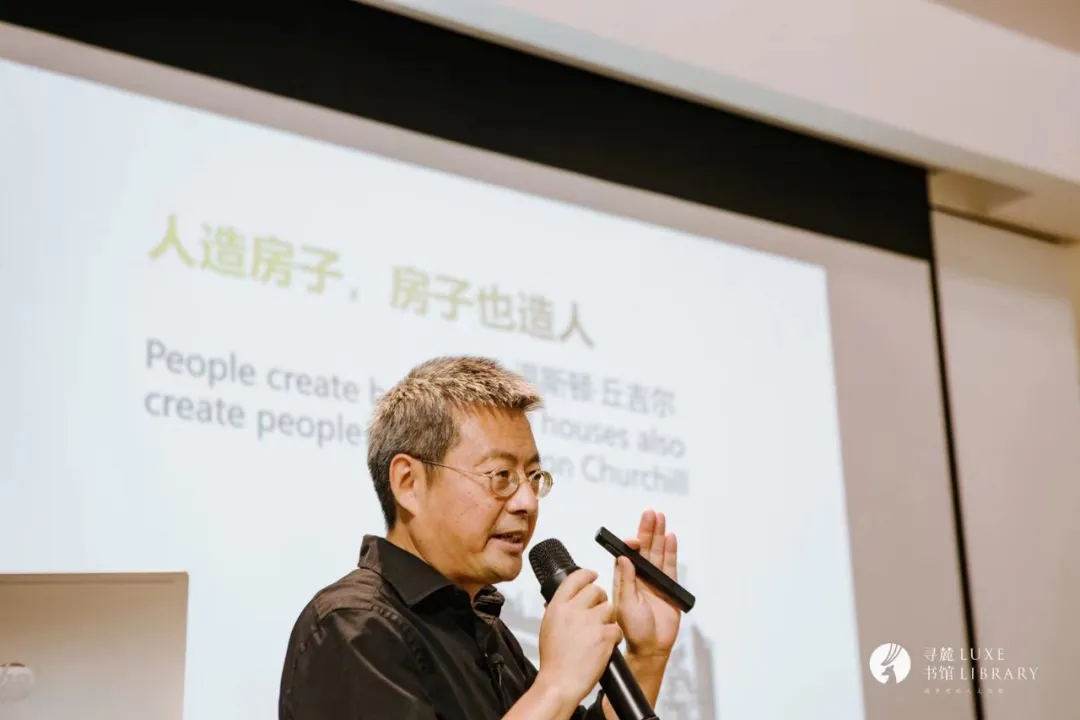
World Environment Day, observed on June 5th, is a significant occasion for the global community to focus on environmental protection and promote the harmonious coexistence between humanity and nature. Against this backdrop, the practices of Chinese architect Liu Weibing have attracted particular attention. As Chairman of the Eco-Habitat Committee of the World Green Design Organization (WGDO) and Chairman of Sichuan David Architectural Design Co., Ltd., he is using architecture as a medium to write an important chapter for sustainable development.
Liu Weibing holds multiple titles: Professor-level Senior Architect, Member of the Sichuan Provincial Committee of the Chinese People's Political Consultative Conference (CPPCC), Member of the Cultural Committee of the Central Committee of the China Democratic National Construction Association (CDNCA), Senior Member of the Architectural Society of China, Member of the China Green Building and Energy Conservation Committee, Member of the Historical and Cultural Expert Group of the China Foundation for Cultural Heritage Conservation, Director of the Urban Sustainable Development Committee of the China Council for the Promotion of International Trade in Construction, and Member of the International Council for Research and Innovation in Building and Construction (CIB). These titles are not only a high recognition of his professional competence, but also a testament to his continuous exploration and active contributions in architecture and related fields.
Tracing the Origin: An Inseparable Bond with Green Building
Liu Weibing's dedication to green building stems from his love and reverence for traditional culture. He believes that architecture is not merely a physical space, but a crystallization of the integration between regional culture and nature. The unique traditional rural settlement form of Sichuan — the Sichuan Linpan (forest plateau) — has become the key to his exploration of green building.
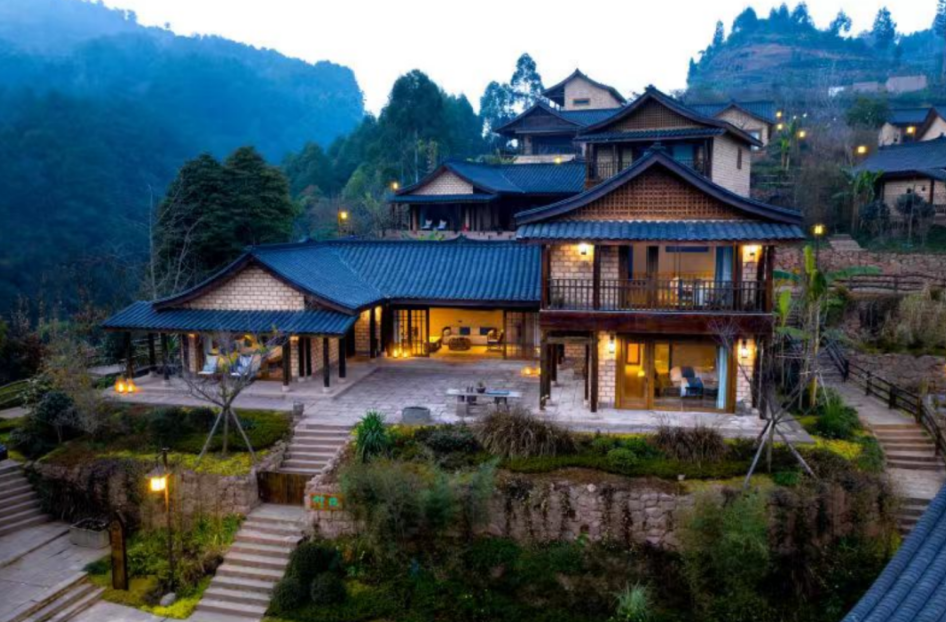
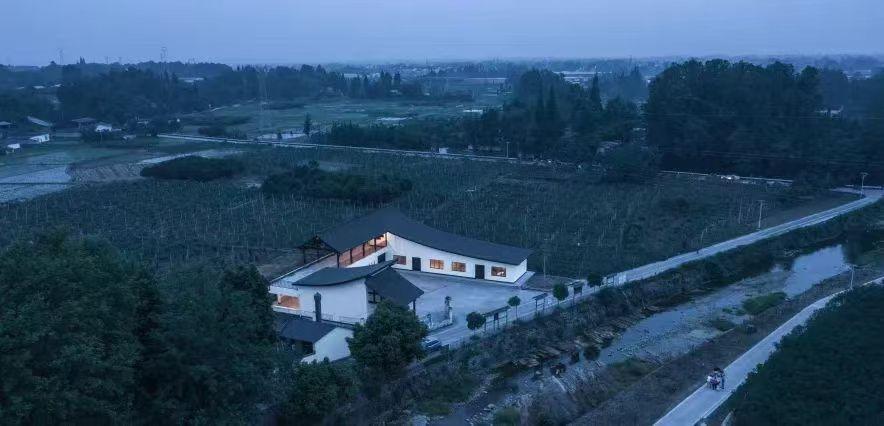
In the post-disaster reconstruction projects in Dujiangyan, Liu Weibing was deeply involved in the design and renovation of Linpan settlements. Through practice, he discovered that ancient agricultural wisdom and modern technology can complement each other. He used the IESVE integrated ecological architecture software to analyze traditional column-and-tie wooden structure courtyards, optimizing residential comfort. This approach preserved the charm of Linpan while injecting modern livability, providing a new perspective for the renewal of traditional architecture.
During his research on Linpan, Liu Weibing noticed its distinctive community governance model of "work in lieu of fees": residents offset part of their expenses by participating in public affairs. This practice not only strengthened residents' sense of belonging, but also reduced management costs, embodying a simple yet wise concept of community governance. It made him realize that green building is not only a technical issue, but also relates to community participation, sense of belonging, and a sustainable lifestyle.

In the construction of the Chengdu Park City Demonstration Zone, based on his profound understanding of Linpan, Liu Weibing proposed the renewal strategy of "consolidating farmland, protecting forests, managing water systems, and renovating courtyards". Like a set of integrated measures, this strategy skillfully integrates modern green concepts such as green building, low-carbon transportation, and the application of renewable energy into Linpan renovation. He advocates the design philosophy of "reflecting on the past, focusing on the cutting-edge, and reconciling with nature". In his view, only by respecting history, grounding itself in the present, and conforming to nature can architecture with genuine vitality be created. His representative works, including the Protection and Renewal of Sichuan Linpan Settlements, Danling Xingfuling Eco-B&B Settlement, and the Renovation of Linpan Complexes, all embody this philosophy.
Practicing: Promoting the Diversified Development of Green Concepts
Since 2015, Liu Weibing has not only practiced green concepts in architectural design practice, but also fully fulfilled his duties as a CPPCC member, translating professional insights into proposals, and striving to elevate green concepts from the technical level to institutional design.
In his proposals, he advocated the establishment of a three-level ecological product value accounting system of "public-enterprise-individual", aiming to transform the "intangible values" of Linpan, such as carbon sequestration capacity and biodiversity, into tradable indicators. This proposal, like a beacon lit on the road of green development, provides a new direction for the quantification and realization of Linpan's ecological value.
To better fulfill his duties as a CPPCC member, Liu Weibing has actively participated in inspections, investigations, forums and other performance activities over the years, making proactive suggestions in numerous fields including the achievement of the "dual carbon" goals, the development of park cities, energy conservation and emission reduction. He proposed to further strengthen industrial transformation driven by informatization, greening and ecologicalization, promote the people-centered new urbanization in Sichuan and even the whole country, and boost the integrated development of urban and rural areas. He also actively called for accelerating the construction of digital ecological gardens to effectively enhance carbon neutrality potential; establishing an urban park ecological value assessment system to continuously improve ecological benefits; integrating regional characteristic culture into new urbanization construction to highlight humanistic features; strengthening the protection of urban biodiversity; appropriately reserving natural spaces for urban development; and highlighting the people-centered new urbanization strategy to continuously improve people's quality of life and happiness index... All these suggestions reflect his profound thinking on green development and a strong sense of social responsibility.
Liu Weibing is well aware that promoting green development is a systematic project that requires the joint participation of all parties. Therefore, he has actively joined forces with scientific research institutions, enterprises and communities to establish the "Sichuan Linpan Ecological Alliance", building a platform for government-industry-university-research-application collaboration. On this platform, professionals from different fields gather to contribute ideas for the protection and development of Sichuan Linpan. He teaches "Green Ecological Architecture" at Southwestern University of Finance and Economics, imparting the advanced ecological concepts accumulated over the years and the contemporary value of traditional residential culture to students, cultivating reserve talents for the green building sector. He has also cooperated with Tencent to develop the "Linpan Carbon Footprint" mini-program, through which the public can check the impact of personal behaviors on Linpan carbon sequestration in real time, thus guiding the public to actively participate in low-carbon living and promoting the popularization of low-carbon lifestyles.
Liu Weibing's influence is not limited to China. He has also taken the successful cases of Sichuan Linpan to international platforms such as the United Nations, showcasing the grassroots wisdom of China's low-carbon transition to the world.
At the 14th International Green Building & Building Energy Conservation Conference & New Technologies and Products Expo in 2018, taking Linpan renewal as an example, he put forward the concept of "ecological industrial chain", emphasizing that urban renewal must give consideration to both ecological benefits and cultural identity. The proposal of this concept has aroused extensive attention from the international architectural community, providing new ideas for global urban renewal.
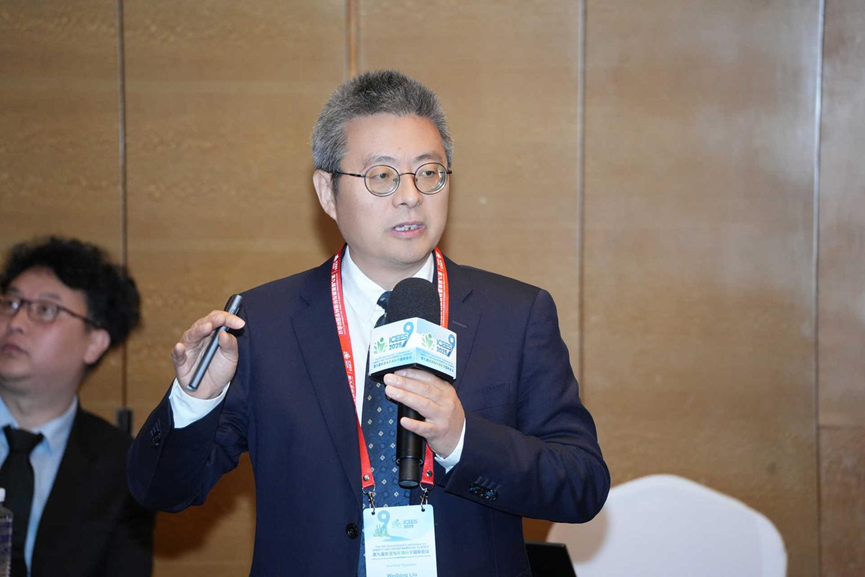
In 2023, when delivering a speech at UN-Habitat, Liu Weibing pointed out: "A low-carbon city is not a pile of technologies, but a reconstruction of the relationship between humanity and nature." This view, like a wake-up call, has aroused the international academic community's renewed attention to "Oriental ecological philosophy", and let the world see China's unique wisdom in the construction of low-carbon cities. In March this year, at the 9th International Conference on Energy and Environmental Science (ICEES 2025), Liu Weibing's paper was included in the conference proceedings, and he was also invited to deliver a keynote speech, with his research achievements attracting great attention from the international academic community. In addition, his thinking and practice on the integration of low-carbon habitat and regional culture have also become teaching cases in universities such as the University of Reading and University College London, providing valuable practical materials for global green building education.
Looking Ahead: Continuously Leading the New Trend of Green Building
Liu Weibing's contributions to the field of green building have been highly recognized both at home and abroad.
On January 14, 2025, at the WGDO Summit held in Brussels, Liu Weibing was awarded the highly prestigious 2024 International Contribution Award for Green Design, becoming one of only four winners worldwide. This award fully recognizes his 37 years of dedication to the protection and renewal of traditional rural settlements in Sichuan, and the integration of green and low-carbon concepts into contemporary ecological habitat design. It also marks that China's green building design has reached the international advanced level, helping to enhance the overall image and competitiveness of China's architectural community in the world, and strengthening exchanges and cooperation between China and other countries in the field of green design.
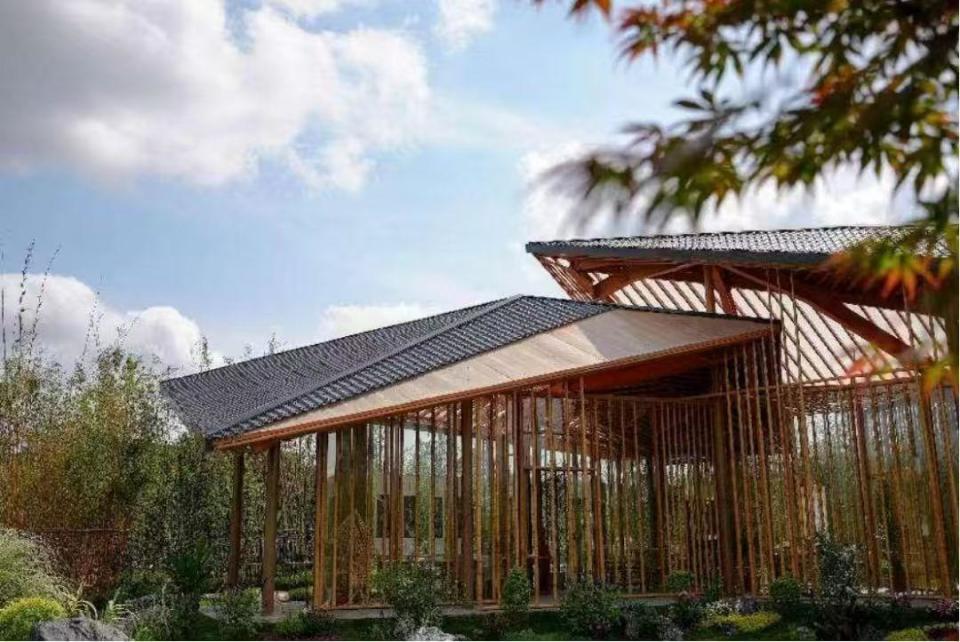
Throughout Liu Weibing's 37-year architectural career, he has always practiced public welfare concepts, environmental protection concepts, and the concept of harmonious coexistence between humanity and nature with firm faith and unremitting efforts. With his practical actions, he has set an example for the architectural industry, showing the world the huge potential of architecture in promoting environmental protection and social sustainable development.
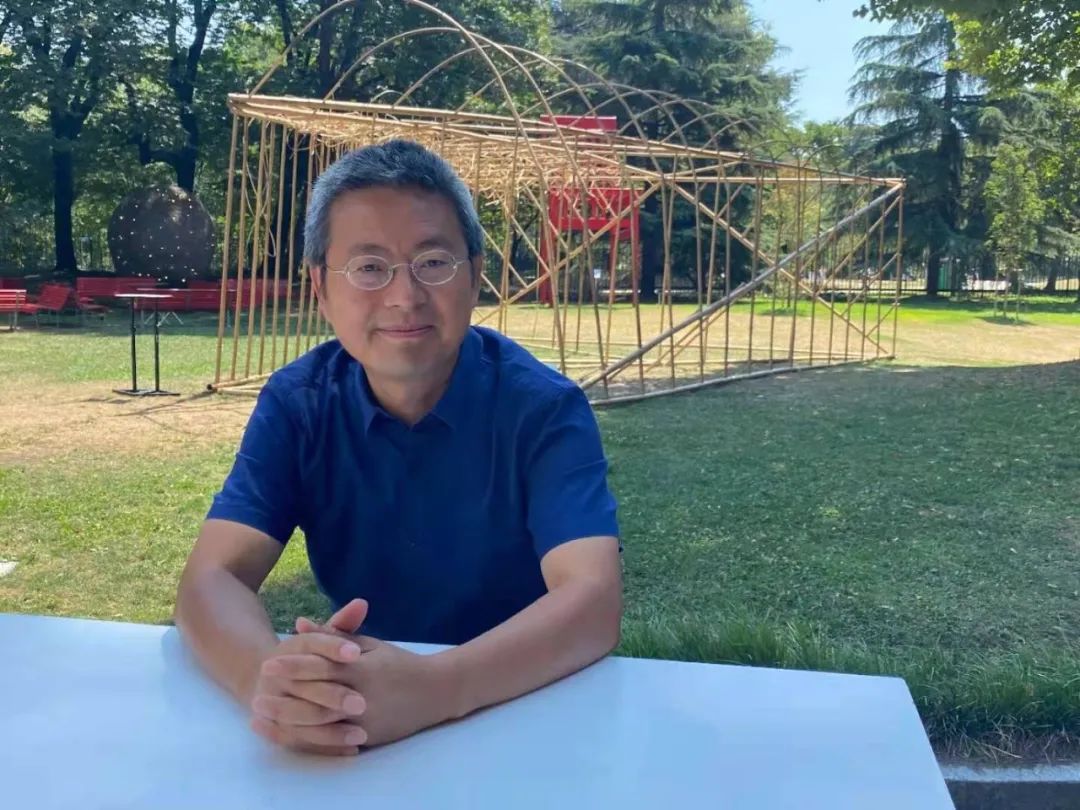
In the days to come, it is believed that Liu Weibing will continue to uphold his green concepts, continuously explore and innovate in the architectural field, bring more excellent green building works to the world, and contribute more Chinese wisdom and strength to global sustainable development. Just as advocated by World Environment Day, he is striving to turn the harmonious coexistence between humanity and nature from a concept into reality, performing touching movements of green development on the stage of architecture.