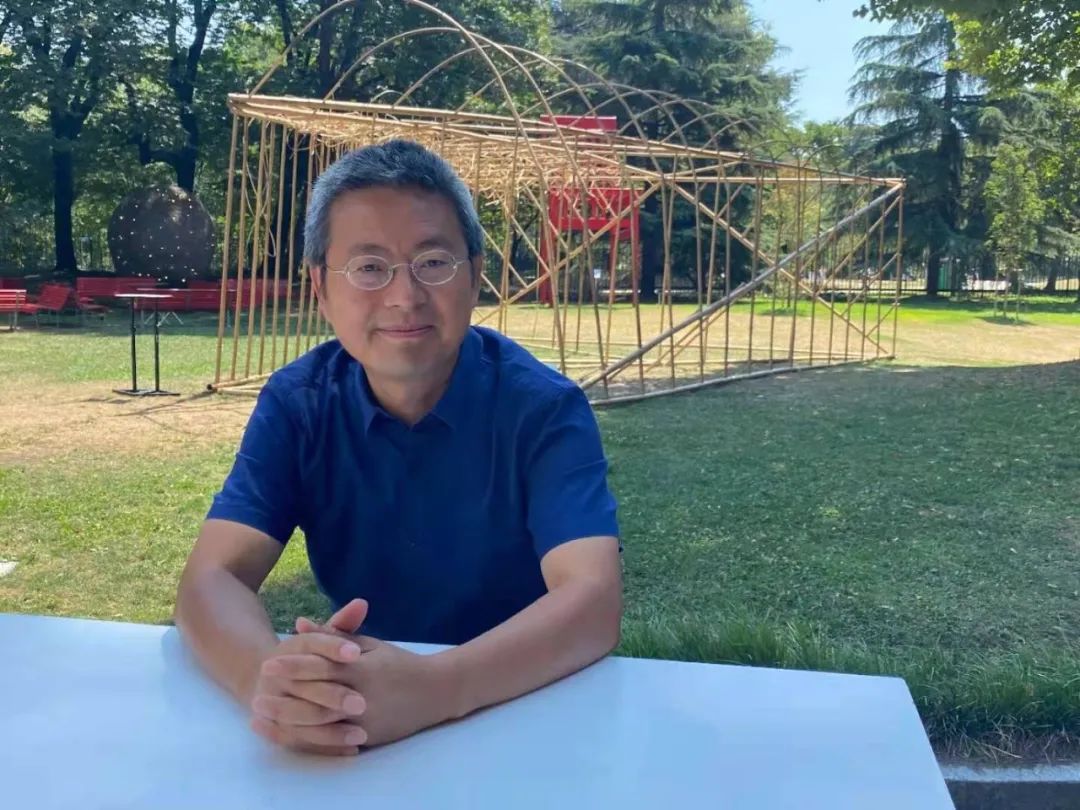
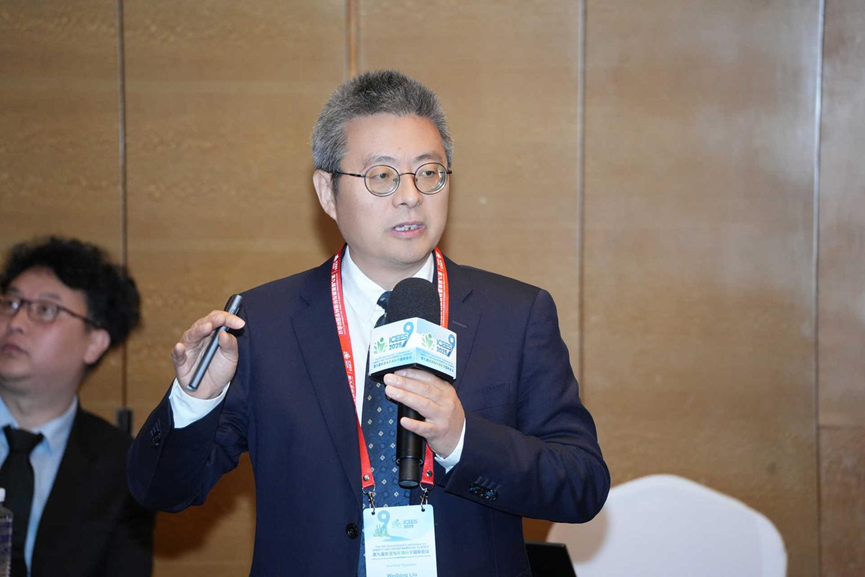
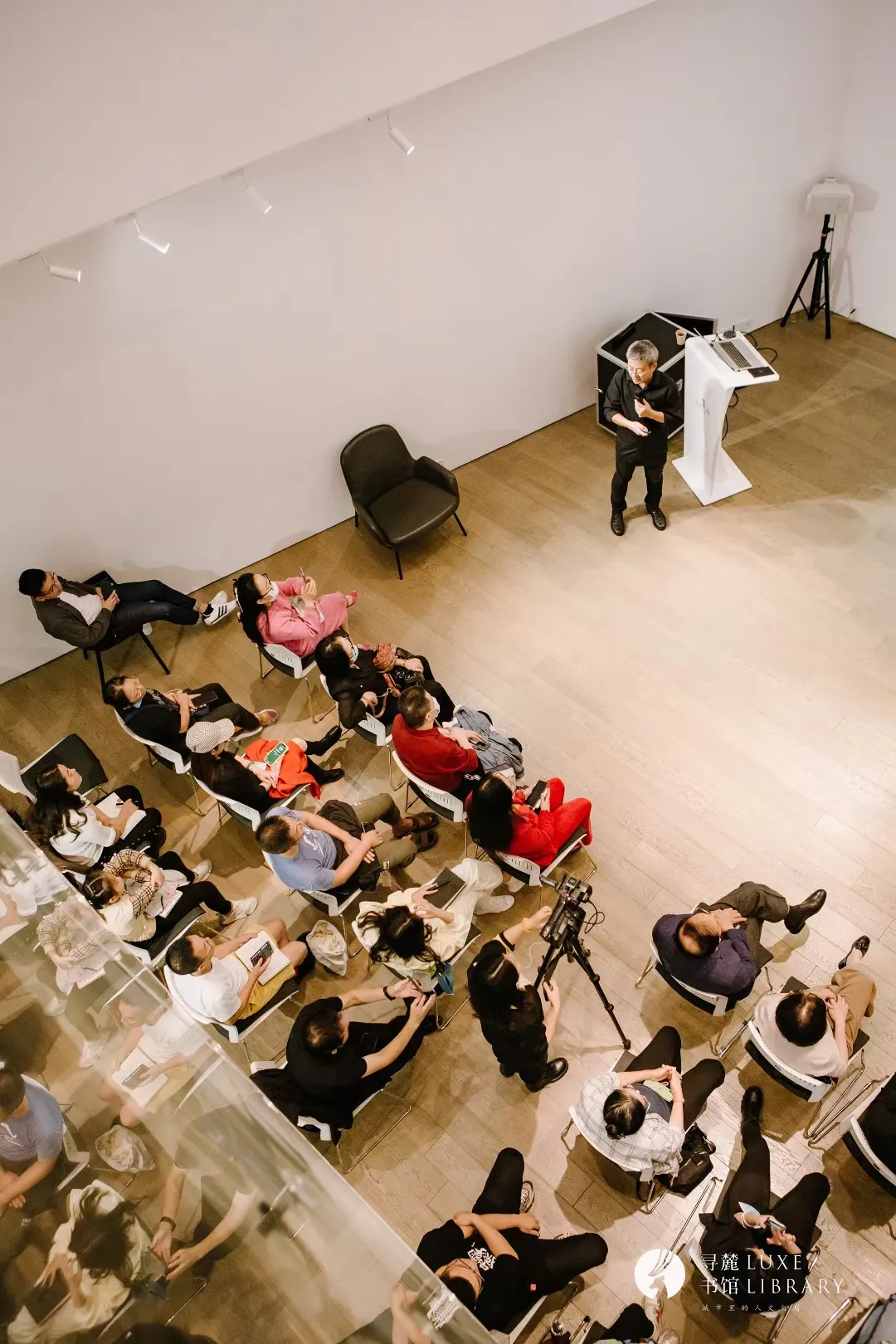
On October 5, Liu Weibing, Chairman of Sichuan David Design and Professor-level Senior Architect, delivered a lecture entitled
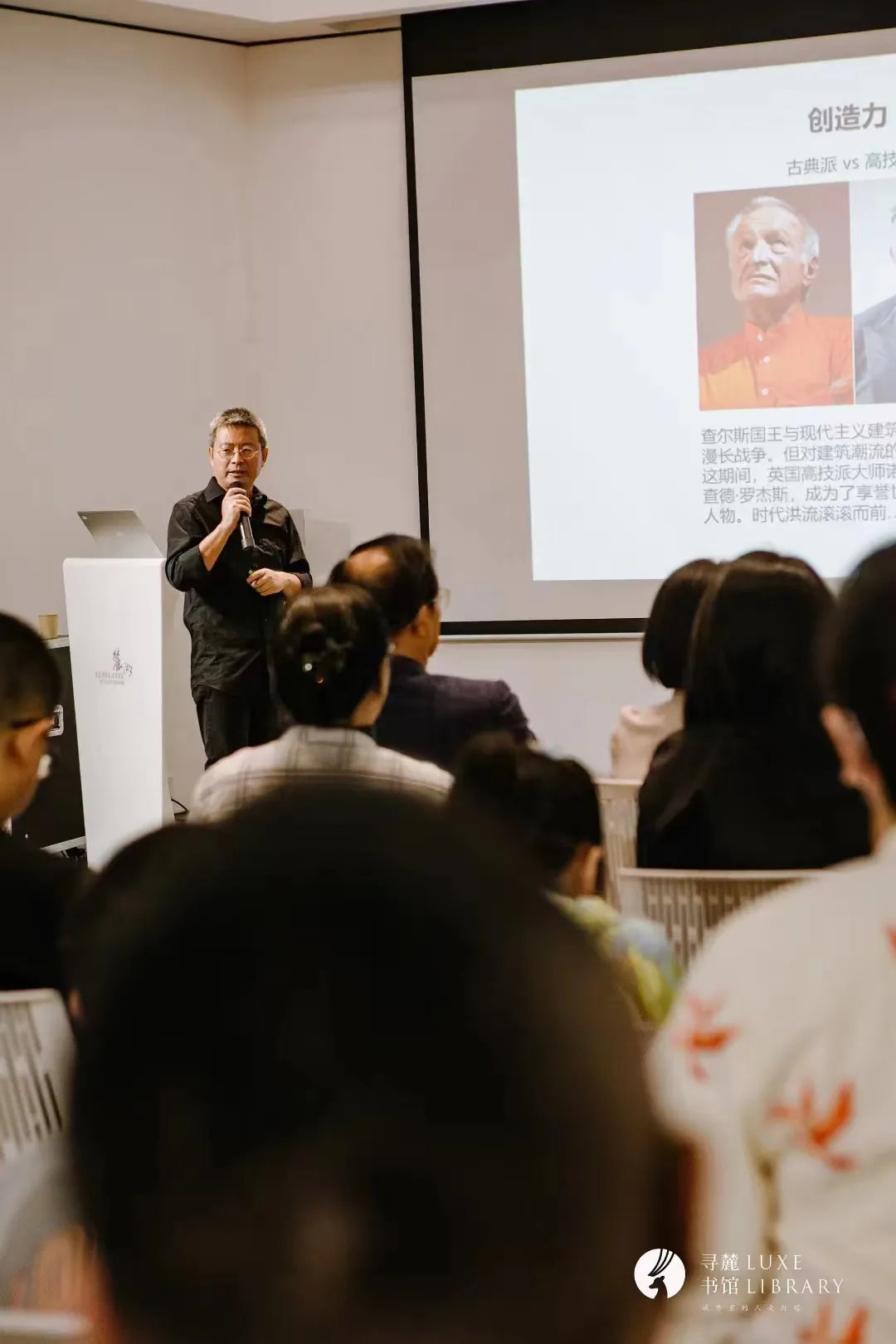
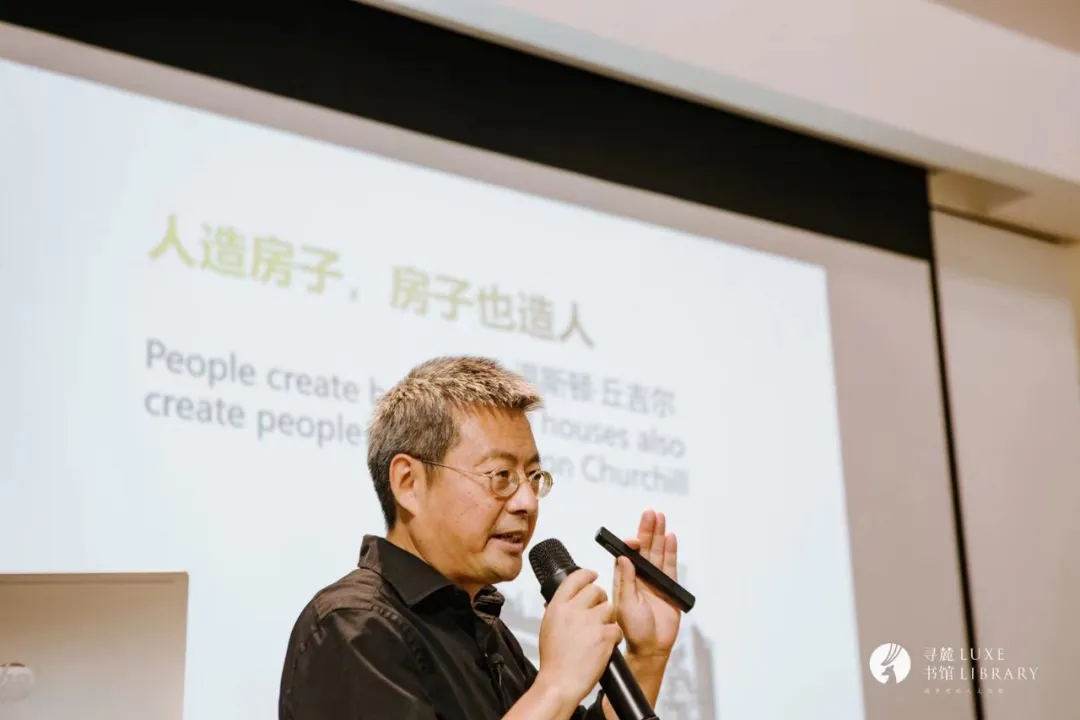
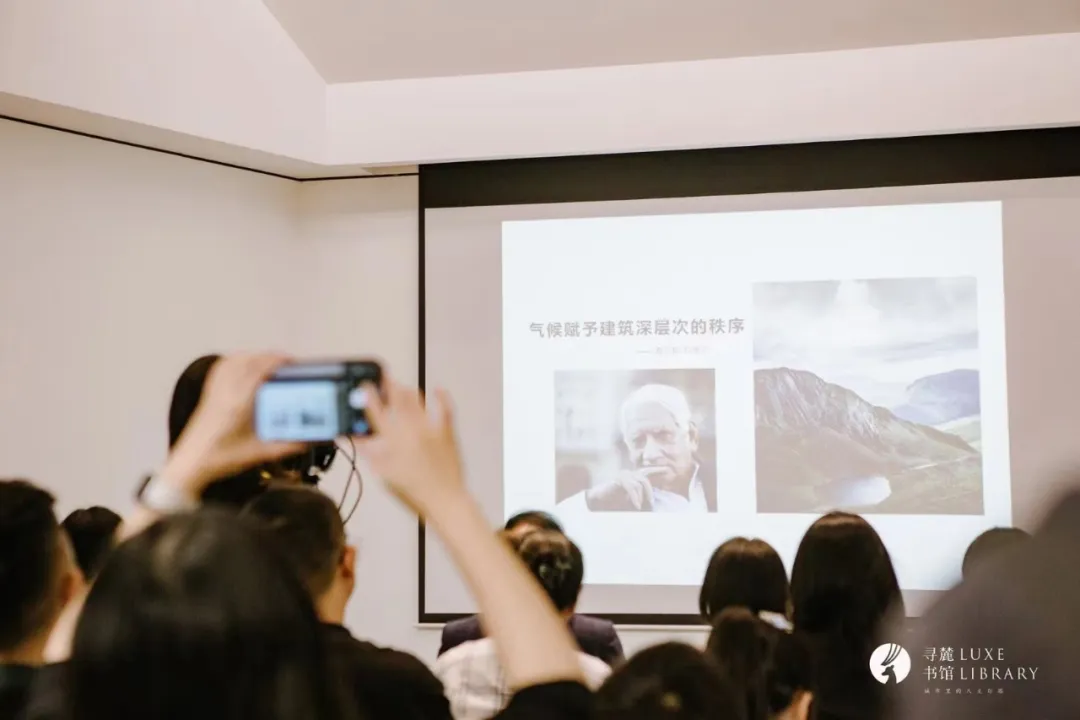
Poetic Expressions of Sichuan Forest Plateaus at the Luxe Living Room, Chengdu Luxelakes Art Exhibition Center. He shared with the audience "the wisdom and ecological beauty of the harmonious coexistence between forest plateaus and nature, and examined the world with a poet’s sentiment and a philosopher’s vision through the settlements of Sichuan forest plateaus."
Official buildings emphasize spatial grandeur and a sense of temporal detachment, whereas forest plateaus are permeated with the warmth of everyday life. To dwell poetically, or to make dwelling full of poetry—this has long been a question for human reflection.
Influenced by both Chinese and Western cultures, Architect Liu Weibing began to re-examine traditional Chinese construction methods and the uniqueness of his own cultural heritage. In his design practice, he seeks to restore respect for ancestral traditions, pay tribute to the past, maintain humility toward nature, and make living spaces more habitable.
Originating from the ancient Shu civilization and taking shape during the long period of immigration, Sichuan forest plateaus boast a history of thousands of years, with their formation and evolution bearing distinct and typical characteristics of the Shu region. The four core elements of
fields, forests, water and courtyards together constitute the spatial structure and form of Sichuan forest plateaus. Typically, dwellings are nestled among tall arbors such as nanmu and cypress, as well as low bamboo groves, with canals often winding around or running through the forest plateaus. This forms an idyllic picture of fertile fields, dense woods, small bridges and flowing streams, creating the unique rural landscape of western Sichuan on the Chengdu Plain.
Sichuan forest plateaus are not only an inherent living model in the countryside of the Shu region, but also carry multiple functions including ecological balance, industrial development, cultural inheritance and emotional sustenance, representing the crystallization of traditional agricultural civilization.
"Linpan, a term from the Shu dialect, refers to the countryside with farmhouses by streams and winding bamboos and trees. For people living on the Chengdu Plain, the forest plateau was once an enclosed city: those inside wanted to go out and explore, while those outside wanted to come in and see. Yet those who left could never forget it in the end."
Drawing from his personal experience and using a contemporary freehand approach, Liu Weibing called on the audience to pay attention to traditional architecture infused with Eastern thoughts. His speech sparked heated discussions on site and was highly thought-provoking.