#Awards & Recognition ·2022-07-28


Open to the public from July 15 to December 11, 2022, the 23rd Milan Triennale was themedUnknown Unknows - An Introduction to Mysteries. It aimed to arouse humanity’s awe for the uncharted world, explore new lifestyles through interdisciplinary exchanges, and jointly shape a better future. Astrophysicist Ersilia Vaudo served as the General Curator of the exhibition, while Francis Kéré, the African architect and laureate of the 2022 Pritzker Architecture Prize, took on the role of General Designer. The triennale featured a diverse array of artworks and installations created by renowned architects and designers from 40 countries, with the exhibited installations, interventions and special projects seeking toquestion what we do not know.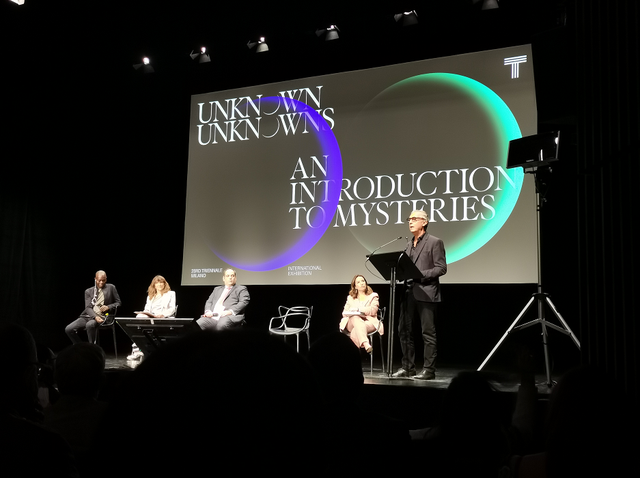
Formless, an installation by renowned Chinese architect Liu Weibing, is crafted from bamboo—a symbol of the gentleman’s perseverance and moral integrity in Chinese culture—and constructed with the mortise-and-tenon joint structure unique to ancient Chinese architecture. It creates an intangible space that strikes up an uncharted dialogue with nature, offering a distinctive interpretation of the exhibition’s theme. To better showcase the spirit of"Harmony Between Man and Nature"embodied in this Chinese work, the organizing committee granted a special permission to place it in the park of the Palazzo dell'Arte.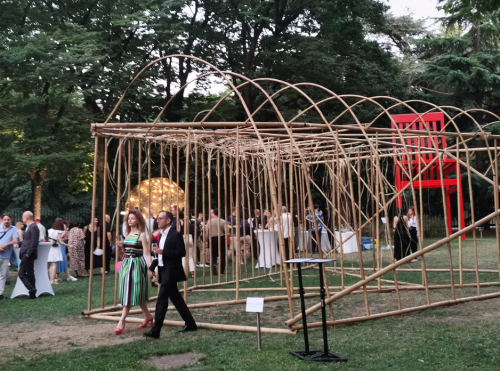
The comment issued by the organizing committee on Formless reads: "The infinite possibilities arising from the collision of nature and construction stand as an affirmation of and a reckoning with the hidden unknown world. They embody the unique inclusiveness of Chinese culture toward the chaotic universe as encapsulated in the notion of 'The Great Image Has No Form', as well as the awe for the infinite transformations of the cosmos rooted in the Taoist tenet of 'Following the Way of Nature' and the wisdom of 'Harmony Between Man and Nature' that seeks reconciliation with nature."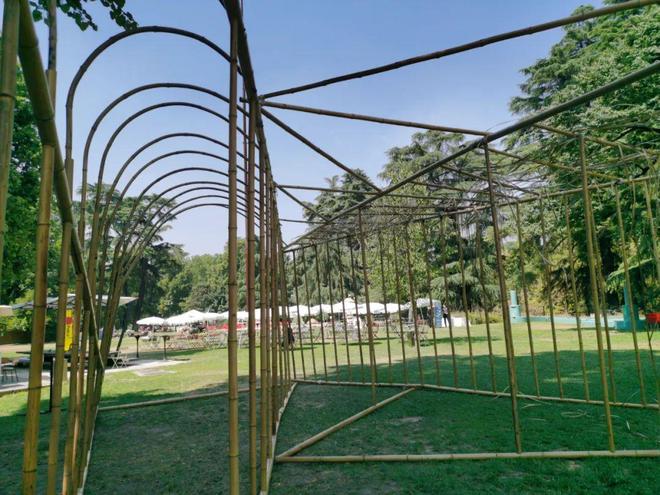
The work draws its inspiration from Liu Weibing’s more than three decades of research, practice and reflection on the millennial indigenous forest cluster settlements of the Chengdu Plain. Amid the tide of individualism and constant change, his creations remain committed to observing local culture and preserving collective historical memories. While seeking to integrate traditional human settlement ecology with contemporary sustainable architecture, he contemplates the philosophical thought of "Wu" (Non-being) in Chinese Taoism. With the profound and personal architectural language of his native Sichuan—the Western Sichuan forest clusters—he forges a contemporary and locally rooted context for sustainable architecture, and poses the profound existential question of "Who are we?".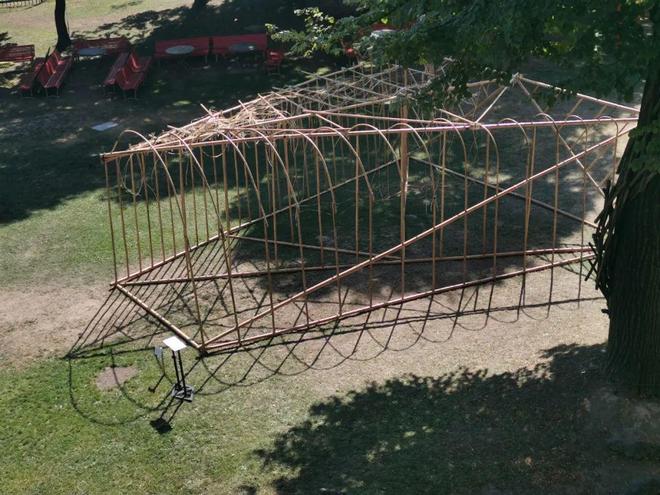
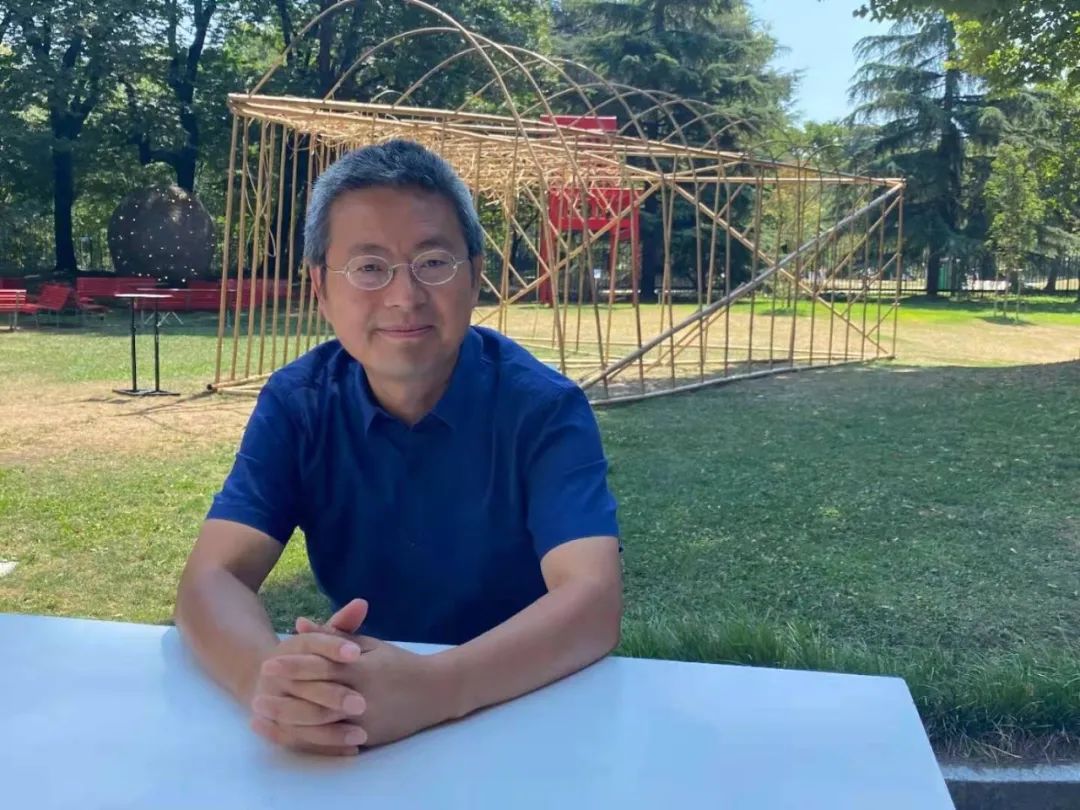
Having graduated from Southwest Jiaotong University in his early years, he later pursued further studies in the UK and obtained a Master’s degree in Sustainable Architecture from the University of Reading. He has long focused on the relationship between regional architecture and the ecological environment, and has been invited to deliver speeches at prestigious international events including the United Nations Headquarters in New York, the 9th World Urban Forum, the UN-Habitat Asia-Pacific Urban Design Summit, and the GFHS Berlin Urban High-level Dialogue, earning high acclaim. His works have garnered attention from the contemporary international ecological architecture community.


抖音二维码

微信公众号

QQ群:

小红书二维码
(028)65292560
Floor 6, Building 3, ShuDu Center, No. 138, Tianfu 2nd Street, High-tech Zone, Chengdu City, Sichuan Province
Links