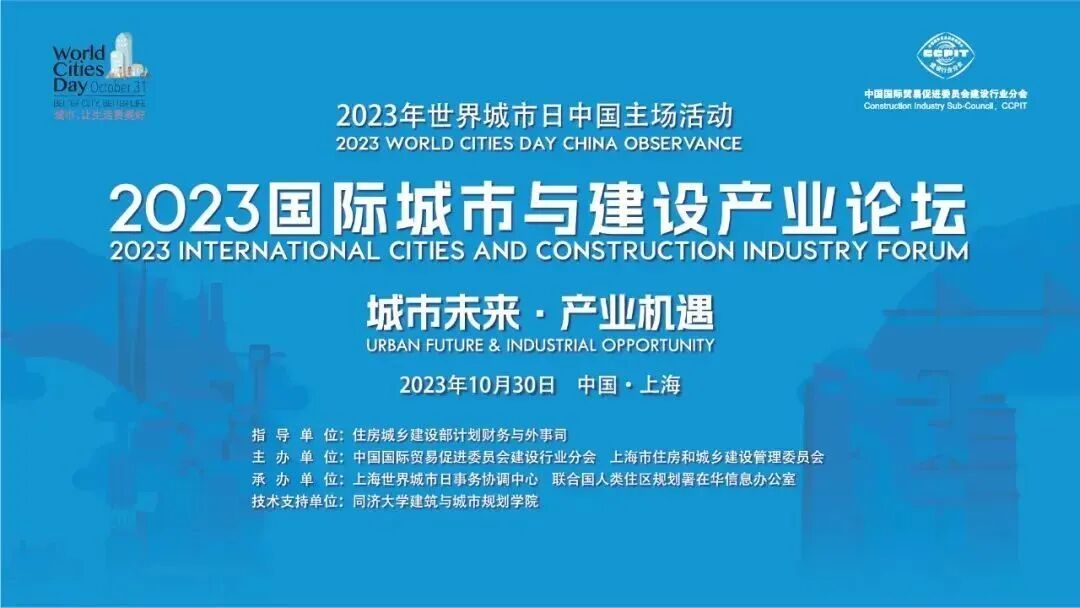
On October 31, 2021, the
2021 International Forum on Urban Development and Construction Industry themed
"Low-Carbon Cities, Green Development" was successfully held in Shanghai. As one of the important supporting events for the Chinese main venue of the UN
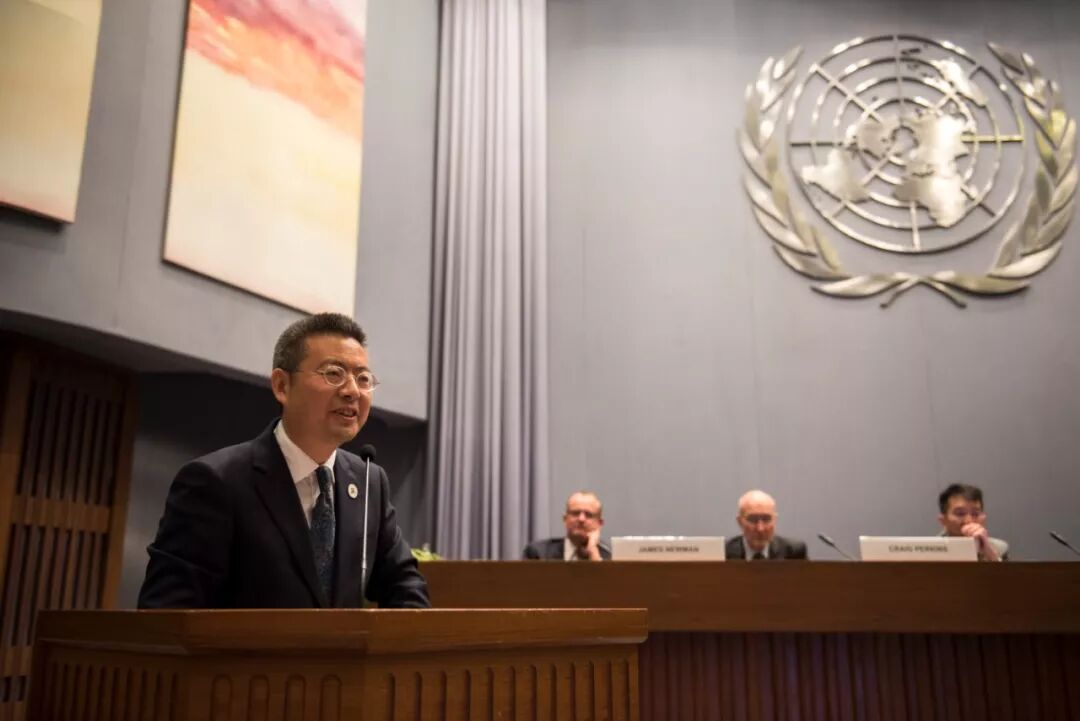
World Cities Day, the forum was held in a hybrid online and offline format, gathering urban administrators, experts, scholars and industry leaders from across the globe. Mr. Liu Weibing, Chairman of Sichuan David Architectural Design Co., Ltd. and Director of the Shaocheng Urban Organic Renewal Research Center, was invited to attend and speak at the
Urban Dialogue session, sharing the innovative practices of Chengdu’s Park City development and community micro-renewal.
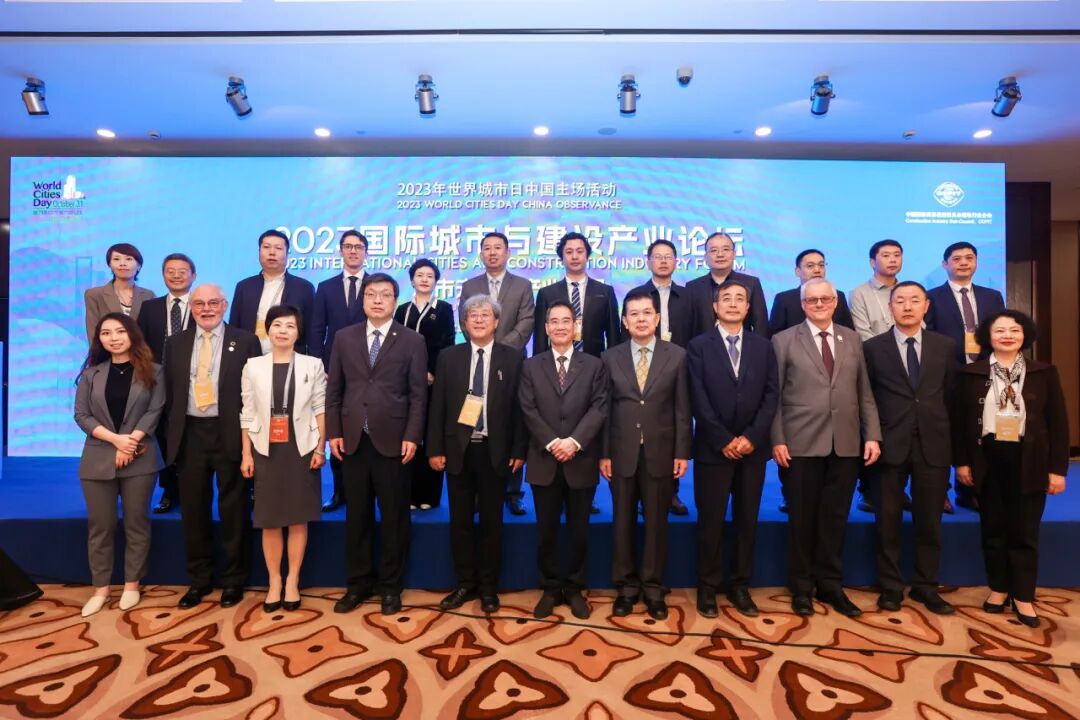
World Cities Day is the only UN international day initiated by the Chinese government, aiming to advance the sustainable development of cities worldwide. This year’s Chinese main venue events were co-hosted by the Ministry of Housing and Urban-Rural Development, the Shanghai Municipal People’s Government and UN-Habitat, featuring a series of high-end forums and exhibitions. UN Secretary-General António Guterres and UN-Habitat Executive Director Maimunah Mohd Sharif delivered separate speeches, emphasizing that cities should serve as a pivotal force in addressing climate change and achieving an inclusive recovery.
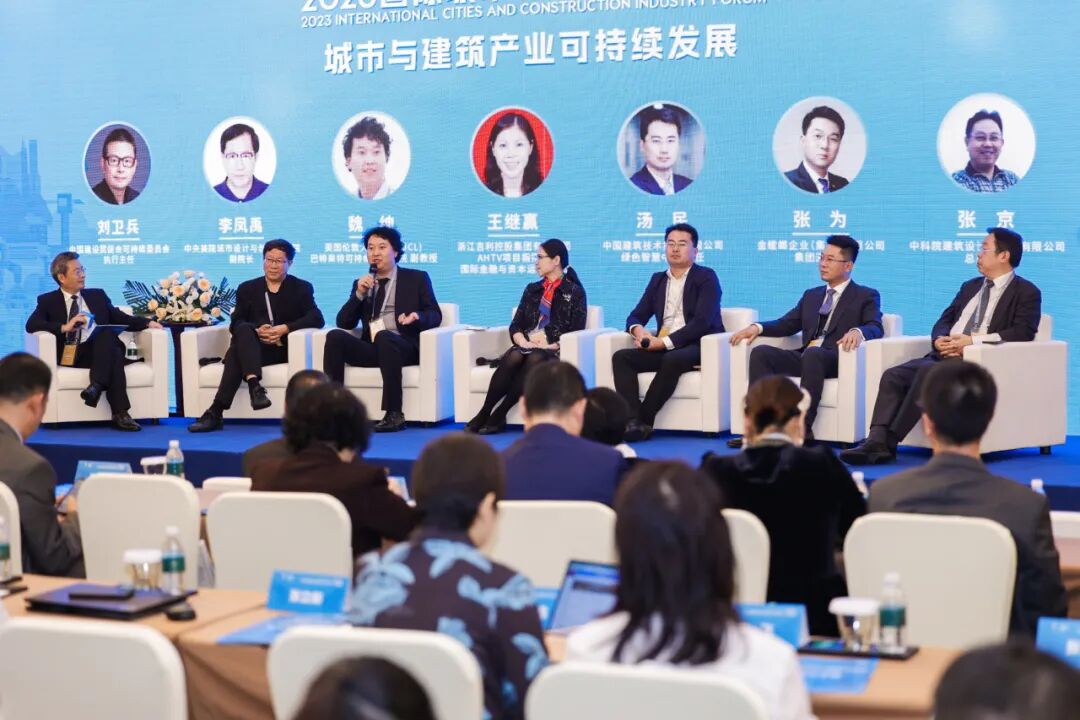
At the Urban Dialogue session of the forum, Liu Weibing engaged in cross-regional discussions with government leaders from cities including Hefei, Huangshan, Liuyang and Ningxiang, as well as experts from the China Academy of Urban Planning & Design. Taking the organic renewal of Chengdu’s Shaocheng and the protection of Sichuan Linpan as examples, he proposed the development philosophy of "Making Cities Warmer, Energizing Rural Areas", stressing the need to advance the deep integration of government, industry, universities and research institutions. He advocated exploring a paradigm for community micro-renewal under the Park City concept through the restructuring of business formats and the integration of architectural aesthetics with ecological values.
Liu Weibing pointed out that in advancing urban ecological restoration, the renovation of old residential compounds and community building, Chengdu attaches great importance to inheriting regional culture and upgrading spatial quality and living experience, providing a practical path for sustainable development. His speech struck a profound chord among participants regarding the green transformation of small and medium-sized cities, the construction of community public spaces, and the integrated development of urban and rural areas.
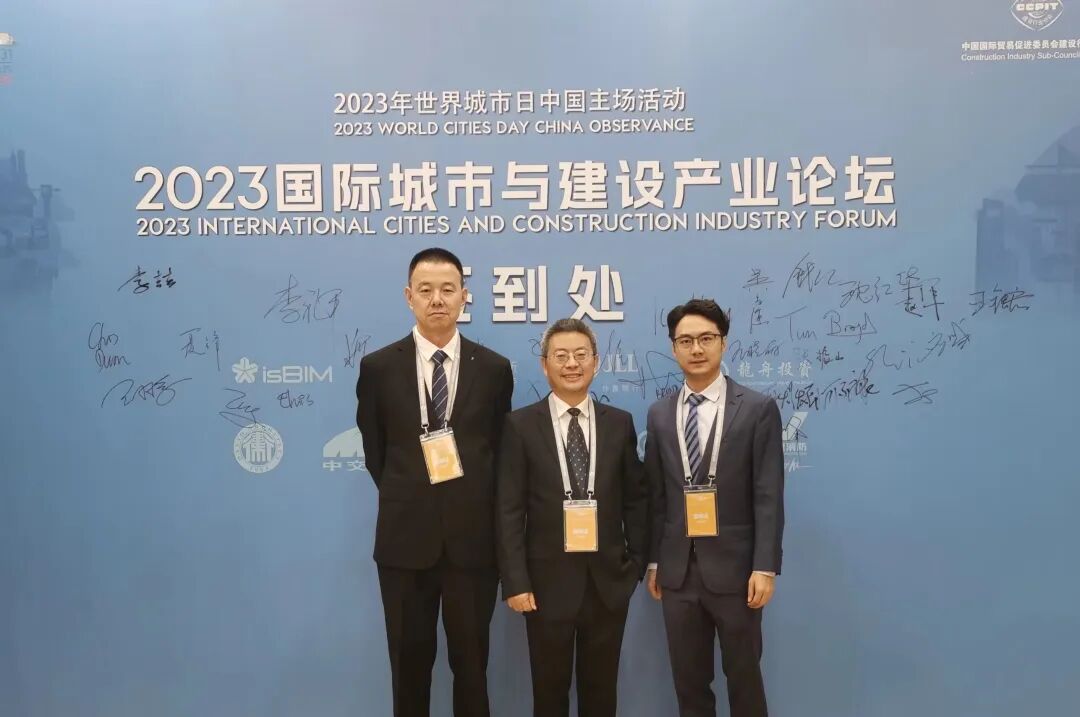
The forum also invited renowned authoritative experts including Wu Zhiqiang, Member of the Chinese Academy of Engineering, Wang Tiehong, Former Chief Engineer of the Ministry of Housing and Urban-Rural Development, and Zhang Zhenshan, Director of the UN-Habitat China Office, as well as representatives from many well-known enterprises and international institutions. They jointly discussed key topics such as urban low-carbon development, industrial transformation and the application of digital technologies, contributing wisdom and solutions to building green, inclusive and resilient cities of the future.