I hope my works are complex, like boxes that can capture time. When people step inside, they can feel the memories of the past, the vitality of the present, and the possibilities of the future.—— Liu Weibing1. Origin
A Life Without Bamboo Is Unbearable
Bamboo forest settlements are the most traditional agricultural residential communities on the Western Sichuan Plain, nurturing the ancient Shu civilization in southwest China. On the banks of the Huanhua Stream in Chengdu, the Poet Sage Du Fu built his thatched cottage amid such a bamboo settlement. Su Shi, the great literary giant of the Northern Song Dynasty born in a bamboo town of Sichuan, penned the famous line: "I would rather go without meat than live without bamboo."
Bamboo has long held a lofty status in the hearts of literati. For the common people living in the forest settlements of the Western Sichuan countryside, however, it is the very essence of life. A local folk proverb even goes, "Raising sons is not as rewarding as nurturing bamboo." Bamboo fences and thatched cottages, woven bamboo utensils, bamboo-tube rice—bamboo permeates every aspect of daily life.
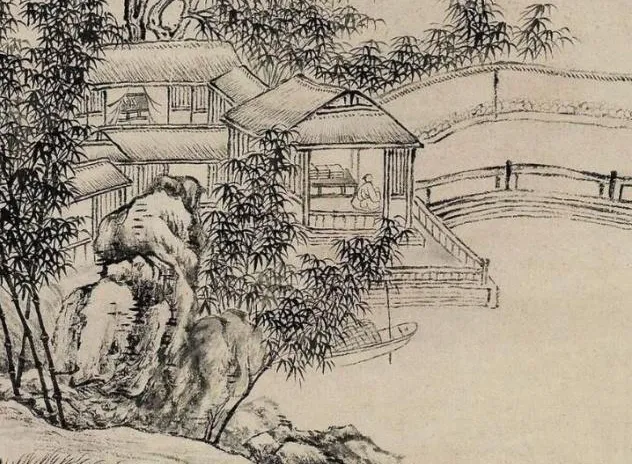
▲
Ke Zhu Ju Tu (Painting of a Dwelling Adjacent to Bamboo) by Wang Hui, Qing Dynasty2. Genesis
Preserving Rural Intangible Cultural Heritage
Mount Qingcheng, located at the 31st parallel north, is one of the birthplaces of Chinese Taoism and is renowned as "the most secluded place under heaven." At its foot lies Mangcheng Village, a quiet and ancient settlement known locally as "Mangcheng Site"( Mangchengyizi).
In the bamboo grove at the village entrance lie the ruins of an ancient city predating the Sanxingdui Culture. Designated as a Major Historical and Cultural Site Protected at the National Level by the State Council in 1988, it is known as the Mangcheng Site of the Prehistoric City Sites of the Chengdu Plain. Historians refer to it as the cradle of the ancient Shu civilization, as the discovery of 4,500-year-old bamboo-reinforced mud walls here proves the origin of the Western Sichuan forest settlements.
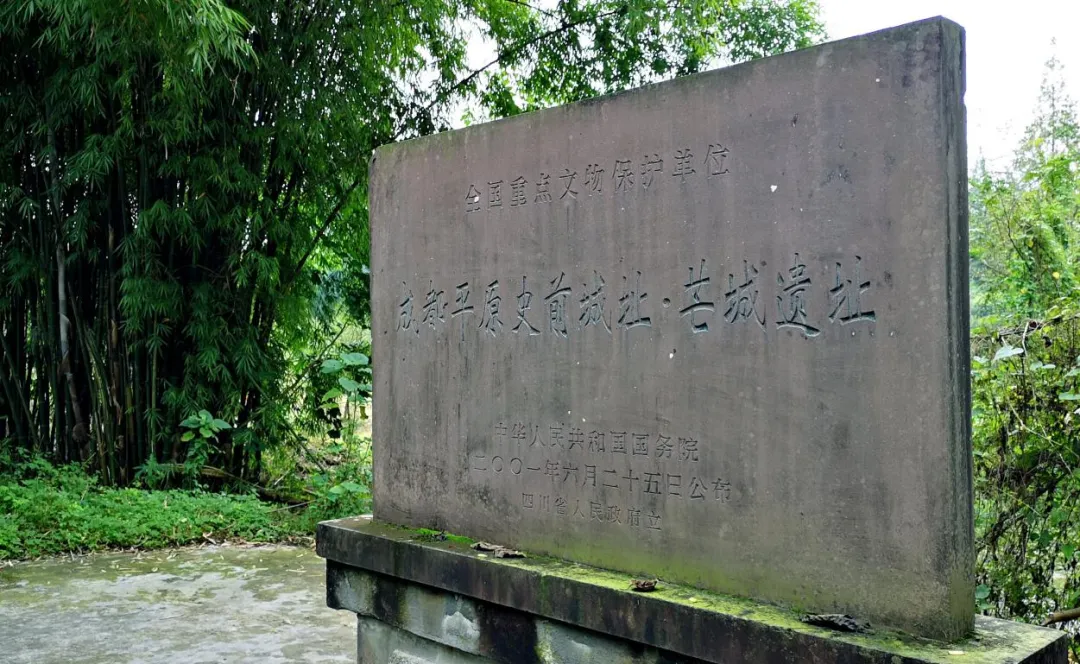
▲ Mangcheng Site, a Major Historical and Cultural Site Protected at the National Level
"Worship the water at Dujiangyan; seek the Tao at Mount Qingcheng."
This ancient birthplace of Shu culture, home to three world heritage titles—World Cultural Heritage, World Natural Heritage, and World Irrigation Engineering Heritage—has nurtured a unique Taoist culture, the giant panda, and an unparalleled residential community: the Western Sichuan forest settlement. As a rare carrier of nostalgia culture worldwide, this indigenous settlement is a form of natural village that has endured in Sichuan for thousands of years.This ancient birthplace of Shu culture, home to three world heritage titles—World Cultural Heritage, World Natural Heritage, and World Irrigation Engineering Heritage—has nurtured a unique Taoist culture, the giant panda, and an unparalleled residential community: the Western Sichuan forest settlement. As a rare carrier of nostalgia culture worldwide, this indigenous settlement is a form of natural village that has endured in Sichuan for thousands of years.
A unique land nurtures a unique people. The Western Sichuan forest settlements have also fostered numerous intangible cultural heritage items that carry Chengdu's collective memory: Juyuan Bamboo Carving, Anlong Penjing, Qingcheng Tea Processing, Qingcheng Horse Chair, and more.
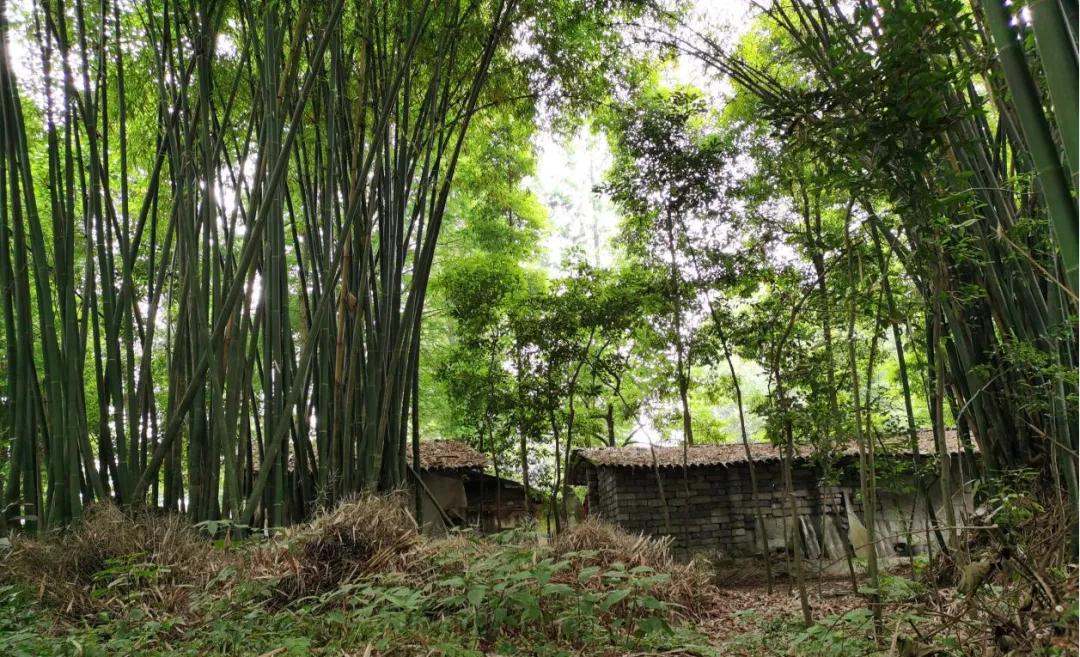
▲ Bamboo forest settlement in Mangcheng Village
For thousands of years, the people of the Western Sichuan Plain have utilized bamboo to its fullest potential. Folk artisans have crafted it into a vast array of production and daily necessities, accumulating a rich and exquisite bamboo culture. Among these, the intangible cultural heritage of the forest settlements—the Qingcheng Ma’s Chair—is the collective name for a handmade bamboo chair passed down through three generations of the Ma family in Mangcheng Village.
Founded in the 16th year of the Guangxu reign of the Qing Dynasty (1890 A.D.) by Ma Shuanghe, the first-generation "Ma’s Chair" maker, it gained fame for its sturdiness and exquisite craftsmanship, earning it the well-deserved nickname. Valued for its rustic, sincere aesthetic and exceptional durability, the "Ma’s Chair" was beloved by the local people and gained widespread renown. It attracted notable figures such as the famous movie star Jackie Chan and basketball star Wang Zhizhi, who traveled specially to purchase one.
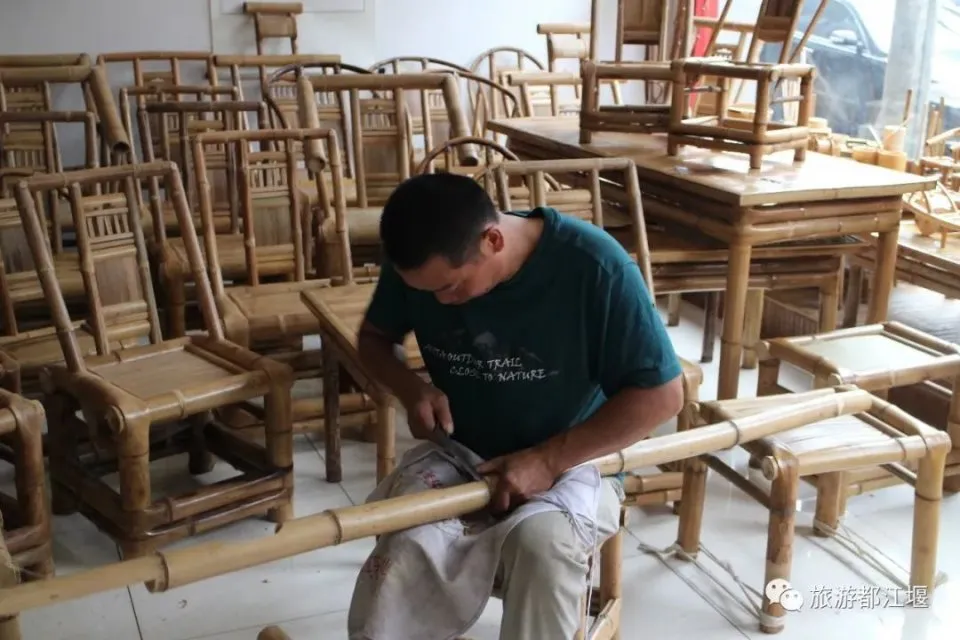
▲ Ma Zehong, the third-generation inheritor of the Qingcheng Horse Chair, crafting a bamboo chair
However, with rapid urbanization and the impact of foreign cultures, these traditional villages of the Chengdu Plain and the many rural intangible cultural heritages they embody face decline and even the brink of extinction. The severe contraction of the traditional bamboo furniture market, coupled with meager production profits, has placed the "Ma’s Chair" in a dilemma.
Cultural revitalization, as a key driving force for the national rural revitalization strategy, is gradually playing a pivotal role. Intangible cultural heritage represents the essence of China's traditional rural culture and serves as a vital cultural engine for rural revitalization.
Saving traditional folk crafts is an urgent task. Architect Liu Weibing, together with Wu Weizhong, Deng Liang, and other fellow members of the Chengdu chapter of the Architectural Society of China, voluntarily integrated the protection and inheritance of Mangcheng Village's intangible cultural heritage—the Qingcheng Ma‘s Chair—with rural revitalization efforts. They focused on using intangible cultural heritage and its related industries to help villagers lift themselves out of poverty and achieve prosperity, promoting an interactive relationship between heritage protection of ancient villages and the improvement of local livelihoods.
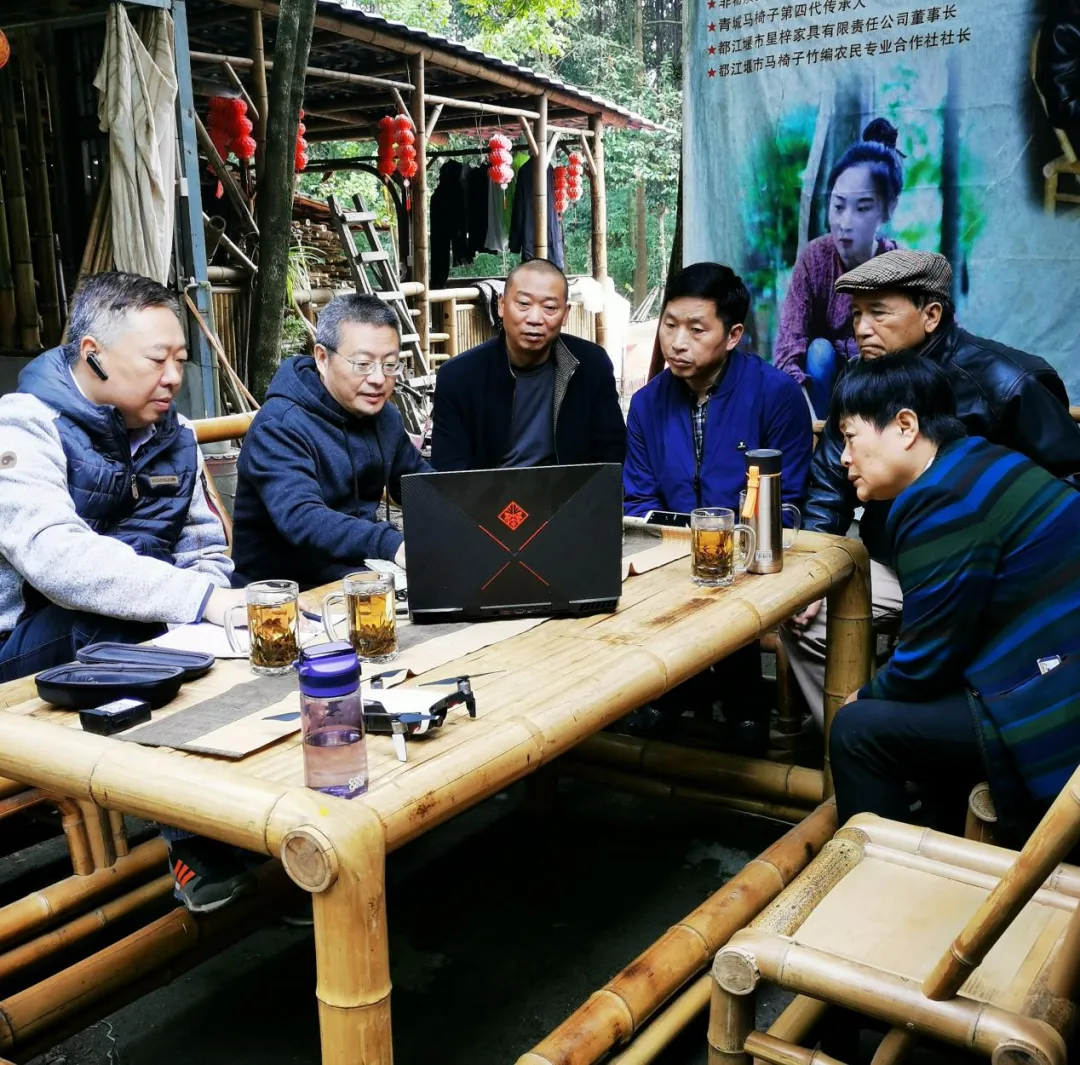
▲ Designers, ICH supporters, and the inheritor of the Qingcheng Ma's Chair discussing the workshop renovation plan
3. Overview
Reconstructing the Forest Settlement Space
The project is located in the Ma Family Forest Settlement in the secluded Mangcheng Village at the foot of Mount Qingcheng. Based on the workflow of this traditional family-run manual chair workshop, the design presents a brand-new concept:
Lifestyle Model: Transforming the original single production model of
"living – working – selling" into a diversified cultural and creative consumption scenario of
"living – working – experiencing – visiting – leisure – consuming."Spatial Planning: Reorganizing the original mixed production and living model into two distinct zones: a residential area and a workshop area.
The workshop area is divided into three buildings according to the traditional Ma’s Chair production process:
Bamboo Storage: For material storage and rough processing
Workshop: For crafting and hands-on experiences
Teahouse: For rest and tea drinking
These three bamboo buildings operate independently yet coexist harmoniously within the same forest settlement. Their locations were determined jointly with the owner, based on the technical requirements of the Ma's Chair craftsmanship and the existing land conditions. This transformation has upgraded the formerly low, damp working environment into a cultural and creative consumption hub integrating cultural tourism, bamboo art experiences, and intangible cultural heritage protection, significantly increasing the artisan family's income and improving their quality of life.
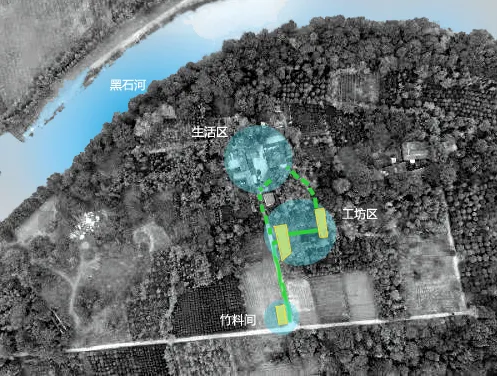
▲ Functional zoning plan of the renovated workshop
Regarding the architectural renewal of this century-old workshop, Architect Liu Weibing believed that simply renovating the three buildings was insufficient. It was essential to infuse the spatial atmosphere and landscape with poetic charm, redirecting people's attention to the simplicity and nature of traditional craftsmen.
Years of rural construction practice have deepened his profound reflections on the Western Sichuan forest settlements. Particularly during his Master's studies in Sustainable Architectural Design in the UK, he was deeply influenced by the points repeatedly emphasized by Sibyl Moholy-Nagy: the uniqueness of the site and climate, local traditional culture, vernacular construction techniques, and the accumulated experience with local materials. This further inspired him to explore the intrinsic nature of the Western Sichuan forest settlements—"How can the forest settlements exist in the contemporary era?"
He is deeply fascinated by local natural materials such as bamboo, blue bricks, and raw earth. Integrating these materials with the local climate, he makes air, light, and water reflections the soul of his architectural designs. Each of his works consistently garners attention from the international contemporary ecological architecture community.
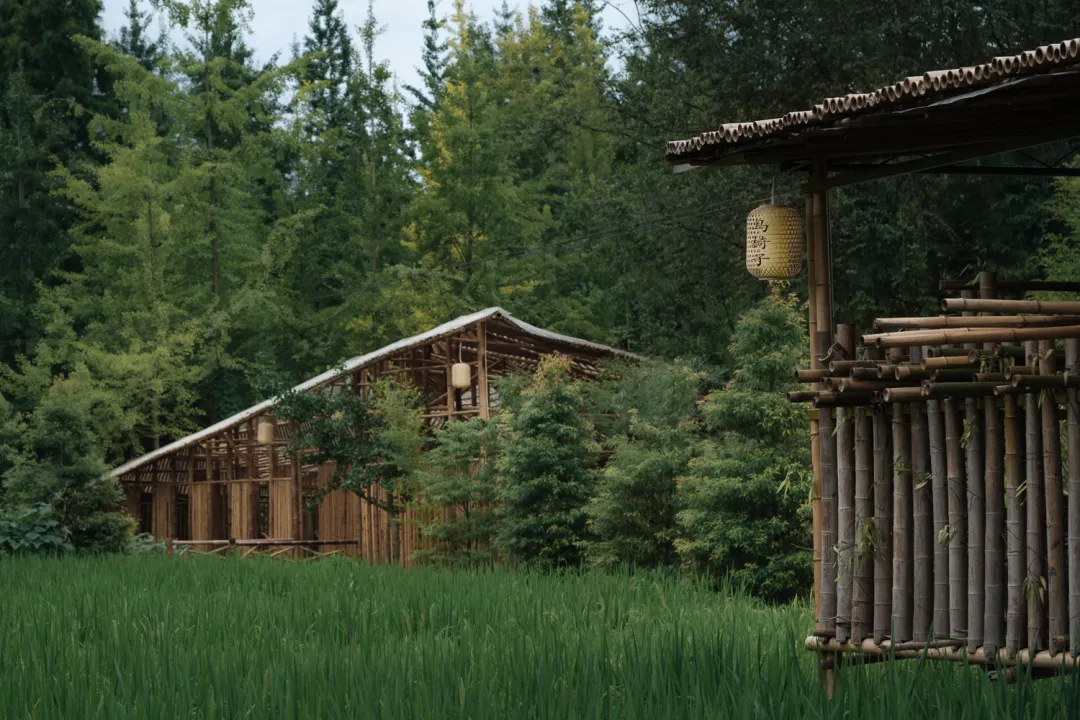
▲ The workshop of intangible cultural heritage (Ma's chair) in linpan
Ultimately, Liu Weibing decided to renovate and construct all buildings using local bamboo, sourced from the area around Mount Qingcheng at an altitude of over 1,000 meters. The entire construction was completed by hand by Ma Zehong, an intangible cultural heritage artisan with four generations of family tradition, and his family, without a single iron nail, perfectly embodying the sustainability of contemporary ecological architecture.
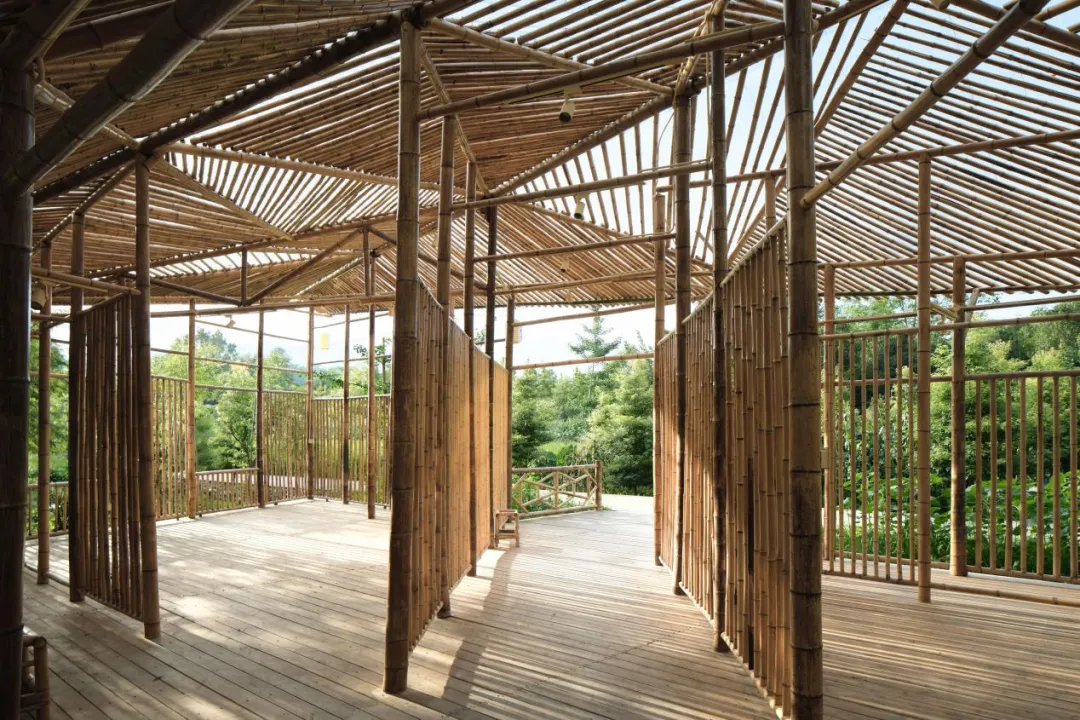
▲ The renovated workshop endowed with a new spatial aesthetic experience
"When facing tradition and the present, I often feel a sense of loneliness in my creative process. My heart resists mere imitation; I ponder a new path, striving to move people through the beauty of my works." In this project, Liu Weibing pushed the robust beauty of bamboo to an astonishing extreme.
The long, asymmetrical, and sloping roofs are enriched by triangular bamboo structures. The semi-transparent polyester skin allows light to filter effortlessly into the variously sized yet open interiors, creating dappled light and shadow effects reminiscent of the freehand brushwork of bamboo groves in traditional Chinese ink paintings.
From a bird's-eye view, the entire renovated workshop resembles a silkworm cocoon of Sichuan, an allusion to the ancestral ancestor Can Cong.
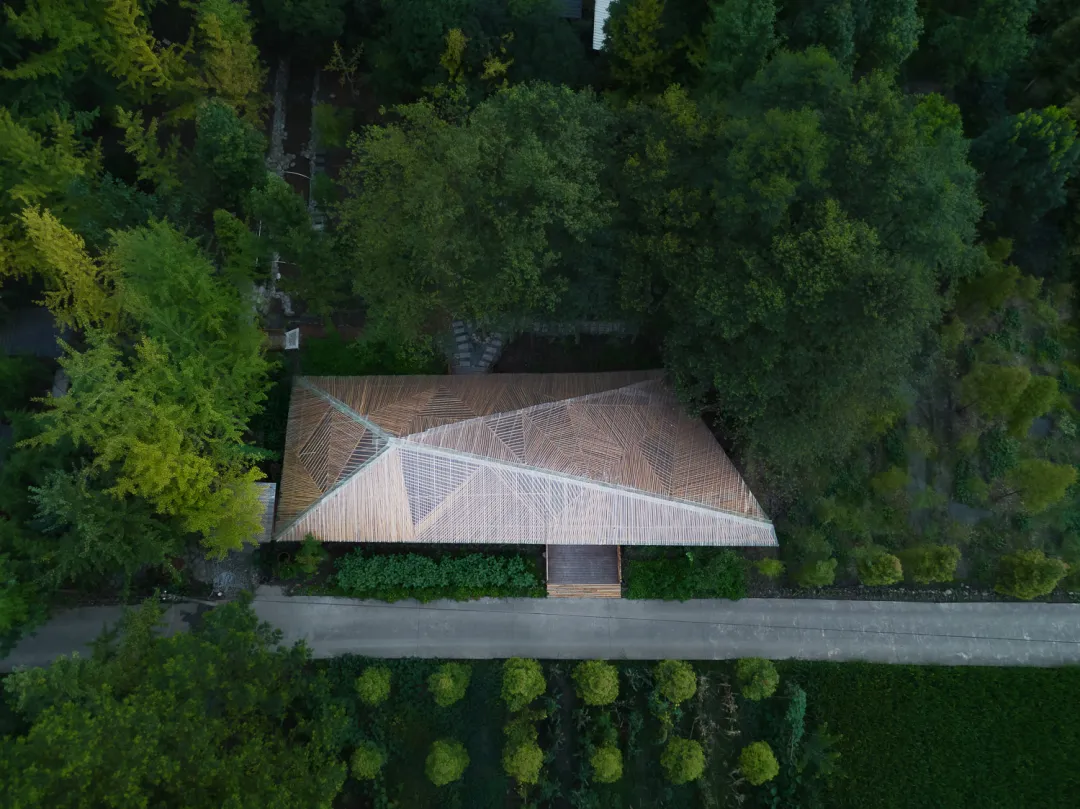
▲ The workshop deep in the forest settlements , resembling a Sichuan silkworm cocoon from above
"The crude materiality gains its idea only through the order imposed upon it by man." Architectural critic Adolf Behne noted that architects bring a strong sense of consciousness to their treatment of materials.
Beside the T-junction leading into the Ma Family Forest Settlement, the original small bamboo storage shed was transformed. The designer extended, layered, and added bamboo grilles to it, imbuing the small bamboo structure with a sense of rhythm and ritualistic reverence for craftsmanship.
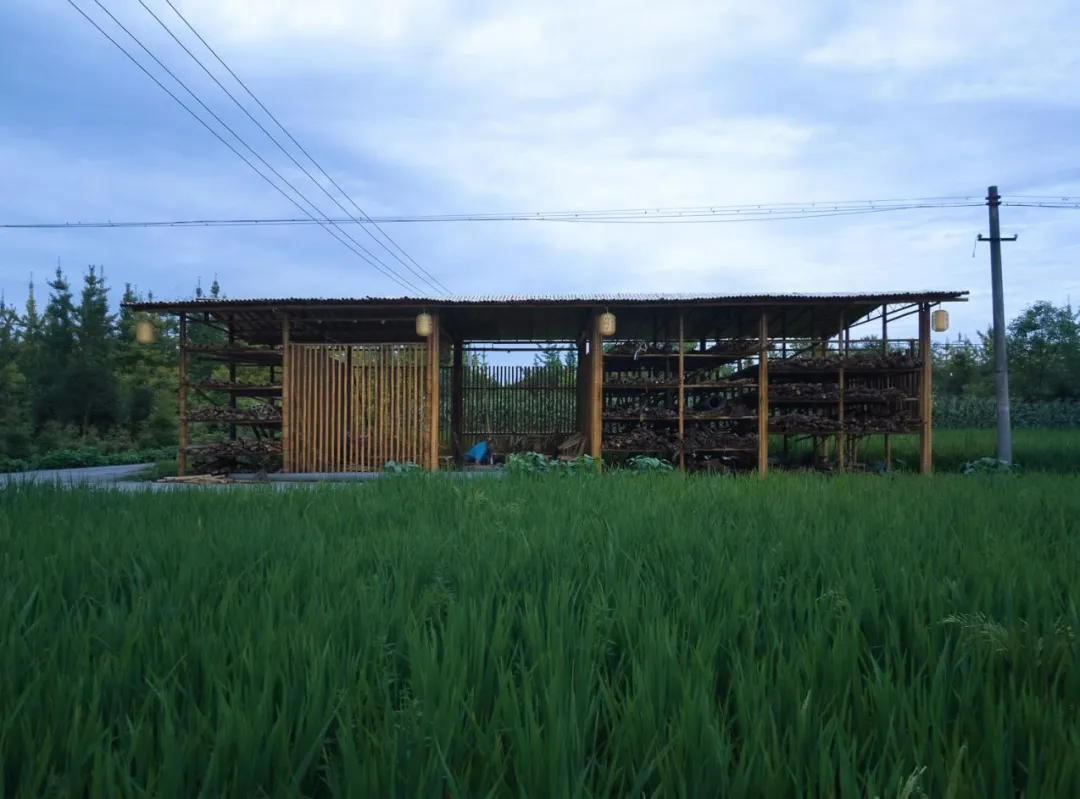
▲ The ritualistic bamboo storage at the intersection
The teahouse is the most representative social space in the Western Sichuan forest settlements, a place where people gather to drink tea, quench their thirst, and chat after work. In a forest clearing over ten meters from the workshop, the teahouse was constructed in a minimalist style, taking the traditional Chinese folding screen as its conceptual inspiration. It blends seamlessly into the forest environment and was realized within an extremely limited budget.
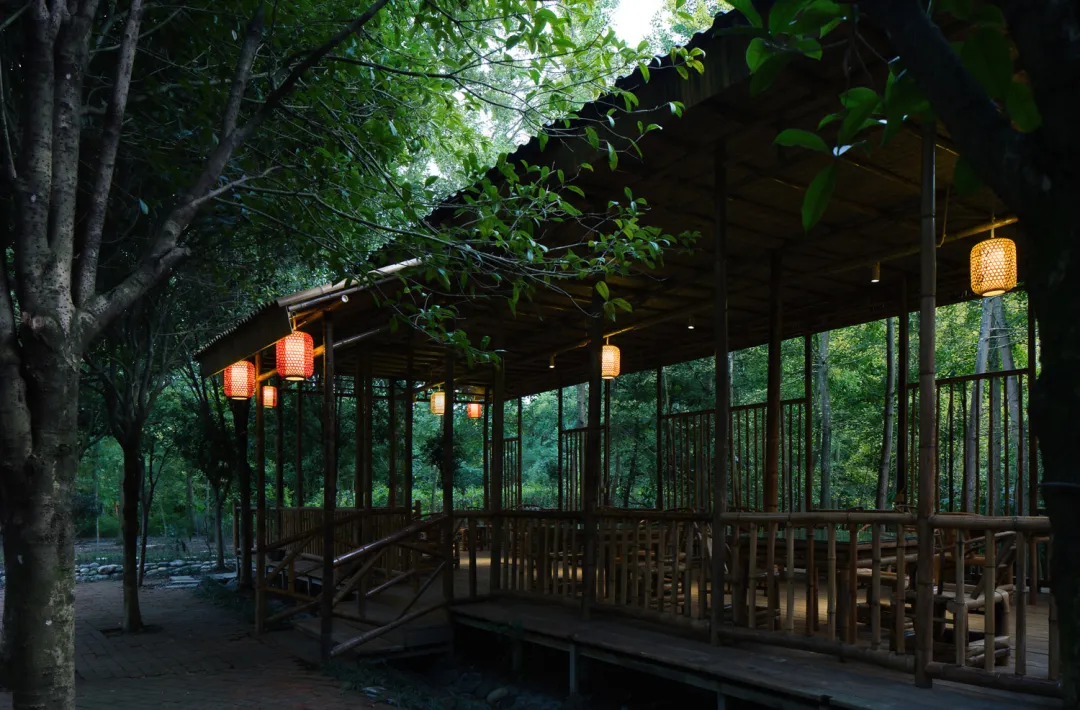 ▲ The open workshop teahouse amidst the woods
The three newly completed, entirely handcrafted bamboo buildings have attracted numerous visitors to admire, experience, and take photos, with many exclaiming that it is the contemporary architectural expression that best aligns with the Taoist celestial aura of Mount Qingcheng!4. Construction
Craftsmanship Rooted in Traditional Ingenuity
To optimize the workshop space, artisans and their families participated in discussions throughout the design phase, particularly regarding the preservation of trees and bamboo groves, and the disposal of domestic wastewater. To ensure the full involvement of traditional artisans and avoid environmental damage from modern machinery, the entire construction process was carried out by the artisans and their family members using traditional handcrafted mortise-and-tenon joinery.
 ▲ The Chair artisans carrying out the renovation themselvesAll three buildings of the Qingcheng Ma‘s Chair Workshop are constructed using bamboo poles of varying diameters, connected with mortise-and-tenon joints. Different roofing techniques are employed based on functional needs: the bamboo processing shed and the tea rest pavilion feature opaque bamboo planks for shading, while the exhibition and experience hall uses semi-transparent polyester sheets.
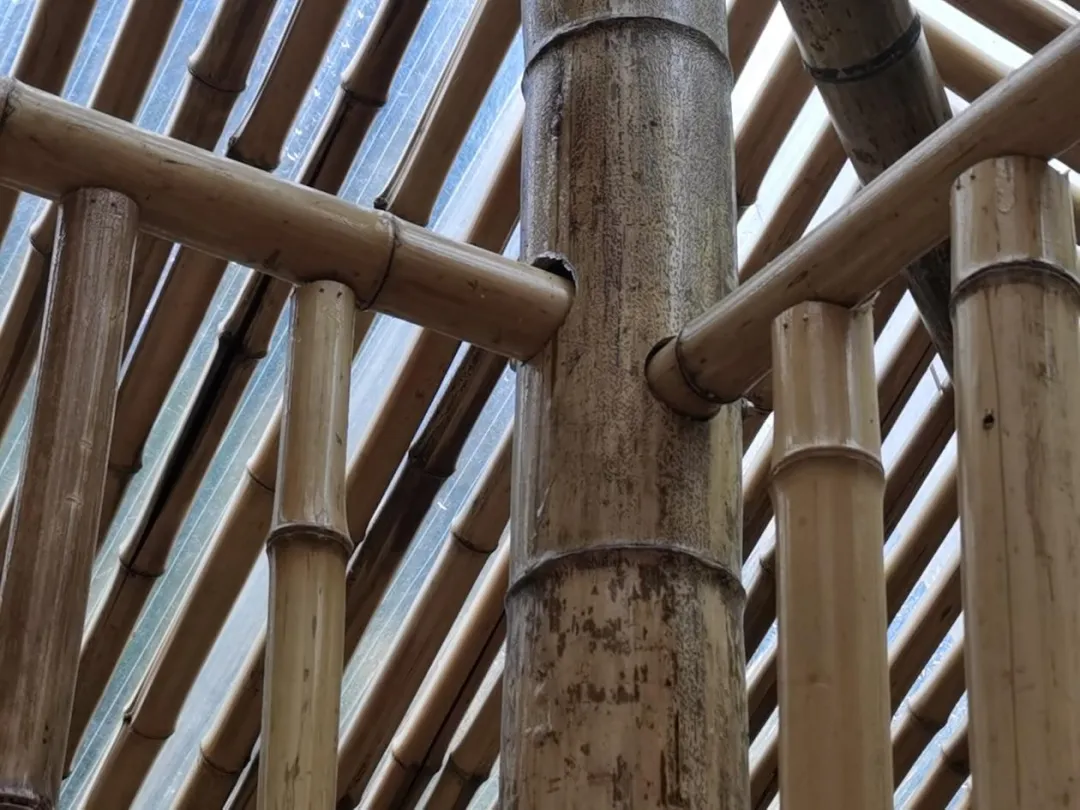 ▲ Handcrafted bamboo mortise-and-tenon structure
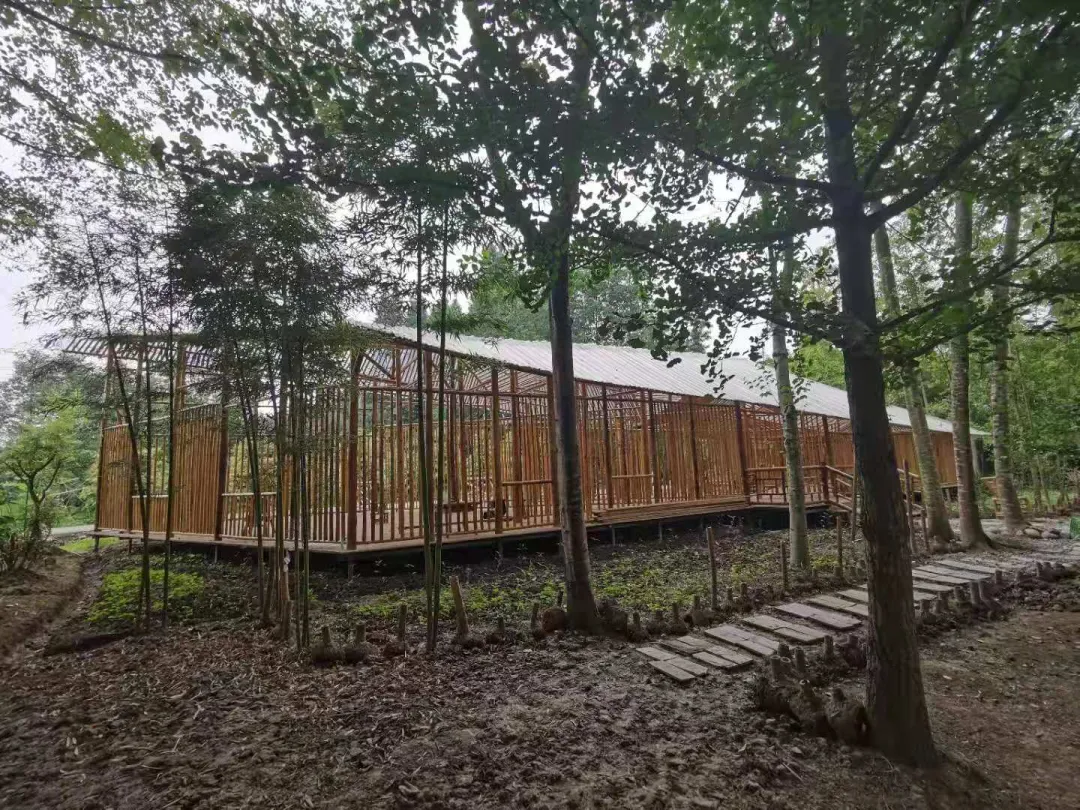 ▲ The intangible cultural heritage workshop nestled in the woods
The renewal of this intangible cultural heritage workshop within a traditional architectural context has not only optimized the handicraft production space and fully preserved the ecological environment of Mangcheng Village but also provided a living exhibition space for the intangible cultural heritage.
Since its completion, the workshop has begun hosting study tour groups for children, who participate in experiencing the century-old traditional ICH craftsmanship, and feel the charm of the millennium-old Western Sichuan forest settlement and the innovative bamboo architecture.
5. Scene
Freehand Charm of the Shu-style Forest Settlements
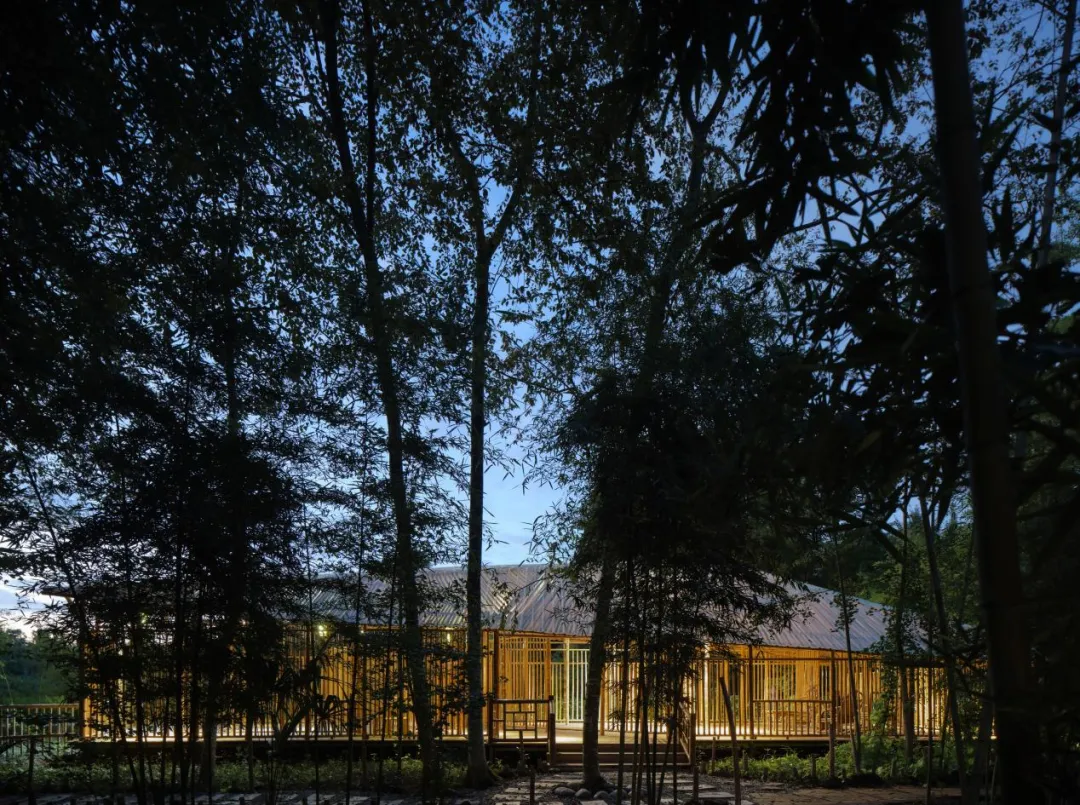 ▲ The Qingcheng Ma's Chair Workshop in the Western Sichuan forest settlement at dusk
"Considering the full life cycle of the building, this structure built from natural materials will cause minimal harm to the surrounding environment. The Qingcheng Horse Chair Workshop fully embodies the Shu attitude toward life of 'harmony between man and nature' found in the Western Sichuan forest settlements."
In his series of forest settlement designs in Dujiangyan, Liu Weibing consistently explores the manifestation of sustainability in different contexts. In Nanxi Yao, spaces are deconstructed and reorganized based on the logic of air flow and radiation dissipation, creating an undulating rhythmic dialogue with the distant mountain forests. Here, the clear air flowing unobstructed through the Qingcheng Horse Chair Workshop, and the gentle movement of light and shadow across the interiors, subtly echoes the artistic conception of "a celestial abode for human habitation."
Project Information
Name: Qingcheng Ma's Chair Workshop
Location: Group 15, Mangcheng Village, Qingchengshan Town, Dujiangyan City, Sichuan Province
Client: Ma Zehong and his family
Lead Architect: Liu Weibing
Design Team: Lu Xiaochuan, Huang Xiangchun, Cheng Hai, An Boqing, Li Ming, Lu Dan, Liu Ziyi
Design Firm: Sichuan David Architectural Design Co., Ltd.